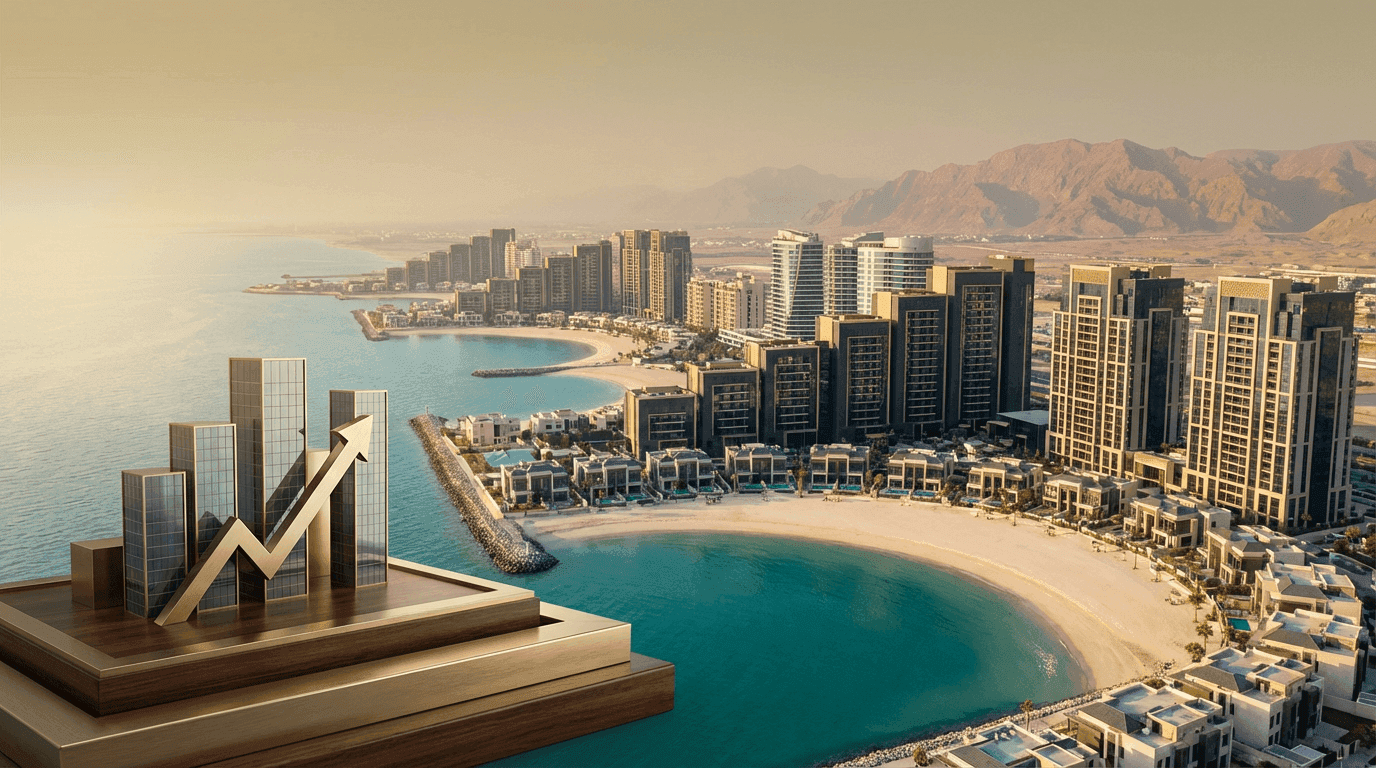
Exit Strategy Timeline: How Long to Hold RAK Property for Maximum Returns
Discover the optimal holding period for Ras Al Khaimah property investments. Expert analysis on exit strategy timelines to maximise capital appreciation and returns.
Table Of Contents
- Understanding RAK Property Market Cycles
- The Minimum Holding Period: Why Patience Pays
- Short-Term Strategy: 2-3 Year Holdings
- Medium-Term Strategy: 4-7 Year Holdings
- Long-Term Strategy: 8+ Year Holdings
- Key Factors That Influence Your Exit Timeline
- Off-Plan Properties: Timing Your Exit from Purchase
- Tax Implications and Holding Periods
- Market Indicators That Signal the Right Exit Time
- Maximising Returns: When to Hold vs When to Sell
The question every property investor asks isn't simply whether to invest in Ras Al Khaimah—it's when to exit for maximum profitability. Timing your property sale can mean the difference between modest gains and exceptional returns that transform your investment portfolio. Yet surprisingly few investors develop a strategic exit timeline before purchasing, leaving substantial profits on the table.
Ras Al Khaimah's property market presents unique opportunities for capital appreciation, with infrastructure developments, tourism growth, and government initiatives driving unprecedented value increases. However, these benefits materialise over specific timeframes, and understanding these cycles is essential for optimising your return on investment. Whether you've purchased an off-plan villa in a premium development or a waterfront apartment with handover approaching, your holding period strategy directly impacts your financial outcomes.
This comprehensive guide examines the optimal holding periods for RAK property investments across different investor profiles and market conditions. We'll explore how market cycles, development completion timelines, and economic factors influence when you should execute your exit strategy, providing you with the insights needed to maximise your returns in this burgeoning emirate.
Understanding RAK Property Market Cycles
Ras Al Khaimah's property market operates within distinct cycles that savvy investors recognise and leverage for maximum returns. Unlike more mature markets such as Dubai or Abu Dhabi, RAK is experiencing a growth phase characterised by infrastructure expansion, increased international recognition, and strategic government investment in tourism and business sectors. This positioning creates specific windows of opportunity that reward strategic holding periods.
The emirate's market cycles are heavily influenced by major development completions, tourism infrastructure projects, and connectivity improvements. When the Ras Al Khaimah International Airport expansion completes or new resort destinations open, property values in surrounding areas typically experience appreciation surges. Similarly, the ongoing development of Al Marjan Island and other flagship projects creates ripple effects throughout the broader market, establishing appreciation patterns that informed investors can anticipate.
Historical data from RAK's property sector demonstrates that values have appreciated most significantly during 12-18 month periods following major infrastructure completions or tourism milestone achievements. Understanding these cycles allows you to time your exit when market sentiment is strongest and buyer demand peaks, rather than selling during transitional periods when appreciation may be temporarily plateauing. For investors in exclusive RAK off-plan projects, recognising these cycles is particularly crucial for determining whether to exit immediately upon completion or hold through the next appreciation phase.
The Minimum Holding Period: Why Patience Pays
Whilst the UAE property market offers more liquidity than many international markets, rushing to exit a RAK investment within the first 12-24 months rarely optimises returns. This minimum holding period exists for several compelling financial and practical reasons that every investor should understand before developing their exit strategy.
Transaction costs in UAE property investments—including registration fees, agent commissions, and administrative expenses—typically amount to 4-7% of the property value. When you purchase a property, you've immediately absorbed these costs, meaning your investment needs to appreciate by at least this percentage simply to break even on a sale. In RAK specifically, Land Department registration fees of 1.5% on the property value, plus potential agent commissions of 2-5%, create a baseline appreciation requirement that typically takes 18-24 months to achieve in normal market conditions.
Beyond transaction costs, properties in emerging developments like those throughout RAK require time for the surrounding area to mature. Amenities come online gradually, community infrastructure develops, and the neighbourhood establishes its character and reputation. These factors significantly influence property values, but they don't materialise overnight. An off-plan villa purchased during construction may complete with basic infrastructure, but the retail outlets, schools, healthcare facilities, and leisure amenities that truly drive values often arrive 12-24 months post-completion. Investors who exit before this maturation period forfeit the substantial appreciation these developments generate.
Finally, market perception plays a crucial role in achievable sale prices. Properties sold within months of purchase or completion often raise questions amongst potential buyers about why the owner is exiting so quickly, potentially suppressing achievable prices. Conversely, properties held for 2+ years are viewed as established investments with proven rental yields and area performance, commanding premium prices from confident buyers.
Short-Term Strategy: 2-3 Year Holdings
For investors pursuing capital appreciation over rental income, a 2-3 year holding period represents the minimum timeframe for capturing meaningful returns whilst maintaining relatively quick portfolio turnover. This strategy suits investors who prioritise liquidity and wish to redeploy capital relatively frequently, though it requires careful market timing and property selection.
The short-term approach works best with off-plan properties purchased at pre-launch or early construction stages. By acquiring properties at initial pricing—often 15-25% below completed values—and holding through completion plus 12-24 months, investors can capture construction-phase appreciation plus initial post-completion value increases. In RAK's current market environment, select developments have demonstrated 20-35% appreciation over this timeframe, particularly in areas experiencing rapid infrastructure development or tourism growth.
However, this strategy requires precise execution. You must identify developments in areas poised for near-term catalysts—upcoming resort openings, infrastructure completions, or connectivity improvements scheduled within your holding window. Properties in established areas with mature infrastructure rarely generate sufficient short-term appreciation to justify the transaction costs and effort involved. Your focus should be on emerging zones where the fundamentals are strong but values haven't yet fully adjusted to reflect forthcoming improvements.
Rental income during a 2-3 year holding period can offset holding costs but shouldn't be the primary return driver. Instead, view rental yields as a bonus that reduces your cost of capital whilst you wait for optimal exit timing. For investors following this approach, working with specialists who provide access to exclusive pre-launch RAK properties with strong appreciation forecasts is essential, as public-market properties have often already absorbed much of the early-stage appreciation potential.
Medium-Term Strategy: 4-7 Year Holdings
The medium-term holding period of 4-7 years represents the "sweet spot" for most RAK property investors, balancing substantial capital appreciation with reasonable portfolio liquidity. This timeframe allows you to capture multiple appreciation drivers whilst avoiding the opportunity cost of excessively long holding periods that tie up capital indefinitely.
Properties held for 4-7 years in RAK's growth corridors have historically experienced the most consistent appreciation, typically ranging from 40-70% depending on specific location and development quality. This timeframe encompasses the complete maturation cycle: construction completion, community establishment, amenity development, and area recognition. By year four or five, your property sits in a fully functioning community with proven rental demand, established property management, and a track record that attracts premium buyers.
This strategy also allows you to capture economic cycle benefits. RAK's tourism sector—a primary driver of property demand—operates on expansion cycles that typically span 4-6 years between major resort developments or visitor capacity increases. Holding through a complete cycle means your exit timing can align with peak tourism performance and maximum buyer confidence, when international and domestic purchasers are most active in the market.
From a rental perspective, 4-7 years provides sufficient time to establish and optimise your rental operations. Initial tenancies allow you to test pricing, refine property presentation, and build relationships with property management companies. By years 3-5, your rental income typically stabilises at optimal market rates, and you've accumulated several years of cash flow that enhance your overall return when combined with capital appreciation. For investors pursuing comprehensive RAK investment strategies, this medium-term approach offers the most balanced risk-return profile, generating both income and capital growth without excessive capital lockup periods.
Long-Term Strategy: 8+ Year Holdings
Long-term holdings of eight years or more suit investors prioritising sustained income generation over quick capital turnover, though this approach in RAK's current growth phase can also produce exceptional capital appreciation. This strategy transforms your property from a trading asset into a genuine income-producing investment that funds other financial goals whilst simultaneously building equity.
The mathematics of long-term holdings become increasingly attractive when you consider compound appreciation effects. A property appreciating at even a modest 6-8% annually doubles in value over a decade, whilst simultaneously generating rental income throughout the holding period. In high-growth RAK locations—particularly premium developments in Al Marjan Island, Al Hamra Village, or emerging luxury villa communities—appreciation rates have exceeded these averages, with select properties appreciating 100-150% over 8-10 year periods.
Long-term holdings also benefit from RAK's ongoing transformation from a secondary emirate into a recognised tourism and residential destination. Major infrastructure projects scheduled for completion over the next decade—including airport expansions, new resort developments, and enhanced connectivity to neighbouring emirates—will continue driving demand and values. Investors who hold through these transformational developments capture the full value creation cycle rather than exiting before major catalysts materialise.
This approach requires different property selection criteria than short or medium-term strategies. Focus on developments with enduring appeal: waterfront locations, established communities with proven management, and properties in areas with long-term master plans ensuring continued desirability. Quality becomes paramount—properties that maintain excellent condition over extended periods avoid the value depreciation that affects lower-quality developments. Additionally, ensure your property sits in areas with strong ongoing rental demand, as rental income sustainability over 8+ years is crucial for making this strategy financially viable.
Key Factors That Influence Your Exit Timeline
Whilst general holding period guidelines provide useful frameworks, your specific exit timeline should respond to individual factors that can significantly accelerate or extend optimal holding periods. Understanding these variables allows you to adapt your strategy to your unique circumstances and market conditions.
Property location and development stage represent the most significant factors. Properties in emerging areas with scheduled infrastructure developments should typically be held longer to capture appreciation from those improvements materialising. Conversely, properties in rapidly gentrifying areas may offer earlier exit opportunities as values appreciate quickly once transformation becomes evident. The development quality and developer reputation also influence timelines—premium developments from established developers often appreciate more predictably, whilst properties from unknown developers may require longer holding periods to establish market credibility.
Your financial position and investment goals directly impact optimal exit timing. Investors requiring capital for other opportunities might exit earlier despite forfeiting potential future appreciation. Those building long-term wealth through property portfolios may hold indefinitely, refinancing rather than selling to access equity whilst retaining the asset. Your risk tolerance also matters—conservative investors might exit once they've achieved target returns, whilst aggressive investors may hold through market cycles seeking maximum appreciation regardless of volatility.
Market conditions and economic indicators should inform exit decisions even when they conflict with your planned timeline. If RAK experiences unexpected rapid appreciation due to economic factors, tourism surges, or policy changes, capturing gains earlier than planned may be prudent. Conversely, if broader UAE economic conditions create temporary market softness, extending your holding period until conditions improve often proves wiser than selling into weakness. Monitoring indicators such as tourism arrival statistics, hotel occupancy rates, new development announcements, and infrastructure project timelines helps you identify optimal exit windows within your broader strategy timeframe.
Off-Plan Properties: Timing Your Exit from Purchase
Off-plan investments introduce unique timeline considerations, as your holding period calculation should begin from purchase rather than completion. This distinction significantly impacts return calculations and exit strategy planning, particularly given RAK's abundant off-plan opportunities offering exceptional early-stage appreciation potential.
When you purchase off-plan property, you begin building equity immediately through payment plan instalments and construction-phase appreciation. A property purchased at AED 800,000 during pre-launch may be valued at AED 950,000 upon completion 24-30 months later—a 19% appreciation before you've taken ownership. The question becomes whether to exit immediately upon completion (capturing construction-phase gains) or hold post-completion to capture additional appreciation as the community matures.
For maximum returns, the most successful strategy typically involves holding off-plan purchases for 12-24 months post-completion rather than flipping immediately at handover. This approach captures both construction-phase appreciation and initial post-completion value increases as the development establishes itself and early residents move in. However, this requires careful cash flow management—you'll transition from payment plan instalments to full ownership costs, including service charges and potential mortgage payments if you've financed the purchase.
The total timeline from purchase to exit for off-plan properties pursuing maximum returns typically spans 4-5 years: 24-30 months construction period plus 18-24 months post-completion holding. This timeframe allows you to capture multiple appreciation phases whilst avoiding excessive capital lockup. Properties from Azimira's curated portfolio of exclusive RAK off-plan projects often demonstrate particularly strong performance over this timeframe, as pre-launch access and development quality create optimal appreciation trajectories.
Tax Implications and Holding Periods
The UAE's favourable tax environment significantly influences optimal holding period calculations, as the absence of capital gains tax, property tax, and income tax on rental earnings dramatically improves net returns compared to most international markets. However, understanding the full tax picture—including your home country obligations if you're an international investor—remains essential for accurate return projections.
Within the UAE, property sales generate no capital gains tax regardless of holding period or profit magnitude. Whether you've held a property for two years or twenty, and whether your gain is 20% or 200%, you retain the entire profit after transaction costs. This creates different strategic considerations than markets where long-term holdings receive preferential tax treatment—there's no tax incentive to hold beyond your optimal appreciation window simply to qualify for lower rates.
However, international investors must consider their home country tax obligations. Many jurisdictions tax worldwide income and capital gains, potentially creating tax liabilities even on UAE property sales. Some countries offer tax exemptions for properties held beyond specific periods or primary residences, making longer holding periods advantageous. British investors, for instance, may face UK capital gains tax on UAE property sales depending on their residence status and how they've structured their investment. Consulting with tax advisors familiar with both UAE property and your home jurisdiction ensures your exit timeline considers all tax implications.
Value Added Tax (VAT) considerations are also relevant. Commercial property sales may involve VAT implications that residential properties avoid, and mixed-use developments sometimes create complex VAT scenarios. Whilst VAT doesn't typically influence holding period decisions for residential investors, ensuring you understand any applicable VAT treatment prevents unexpected costs reducing your net returns when you exit.
Market Indicators That Signal the Right Exit Time
Even with a planned holding period, remaining alert to market indicators that signal optimal exit timing can enhance returns by thousands of dirhams. These indicators help you identify whether market conditions support executing your exit or whether waiting several months might significantly improve outcomes.
Supply and demand metrics provide the most reliable exit timing signals. Monitor new project launches, construction completions, and sales velocity in your area. When supply tightens—few new developments launching and existing inventory selling quickly—buyer competition intensifies and prices strengthen, creating excellent exit conditions. Conversely, when multiple new projects launch simultaneously in your area, increased competition may temporarily soften prices, suggesting delayed exit timing if your circumstances permit.
Tourism and economic performance indicators directly influence RAK property demand. Strong tourism growth, increasing hotel occupancy, new airline routes, and resort expansions all generate buyer confidence and property demand. Timing your exit during periods of positive tourism momentum often achieves premium prices as buyers anticipate continued growth. Government announcements regarding infrastructure projects, free zone expansions, or business sector initiatives similarly boost market sentiment, creating exit windows when buyer optimism peaks.
Transaction volume and price trends in your specific development and surrounding areas indicate market strength. Increasing transaction volumes with rising prices signal strong markets favouring sellers, whilst declining volumes even with stable prices may indicate softening demand. Property portals, market reports, and data from specialists like Azimira provide these insights, helping you identify whether current conditions support your exit or suggest waiting for improved market dynamics.
Seasonal patterns also influence optimal exit timing within your broader holding period. RAK property sales traditionally strengthen during October-March when tourism peaks and international buyers visit the emirate, whilst summer months often see reduced activity. Planning your listing for autumn positions your sale during peak buyer activity, potentially achieving faster sales and stronger prices than off-season listings.
Maximising Returns: When to Hold vs When to Sell
The decision between holding and selling ultimately depends on comparing your expected returns from continued ownership against alternative uses of that capital. This calculation should consider both tangible financial factors and personal circumstances that influence the value you derive from different investment approaches.
Hold your RAK property when your projected appreciation plus rental income exceeds returns available from alternative investments, the area shows strong ongoing growth indicators, and you've not yet captured the full appreciation potential from upcoming infrastructure or community developments. Properties in areas scheduled for major improvements in the next 12-24 months—new retail centres, resort openings, or connectivity enhancements—typically warrant holding through those catalysts rather than exiting beforehand. Similarly, if you've recently completed renovations or improvements that haven't yet been reflected in market values, holding until those enhancements are recognised in pricing optimises returns.
Sell your RAK property when you've achieved your target returns, market conditions are exceptionally strong (creating premium exit opportunities), or you've identified substantially higher-return investment opportunities elsewhere. If your property has experienced rapid appreciation beyond normal market rates—perhaps due to specific buyer demand for your development—capturing those gains may be prudent even if your planned holding period hasn't elapsed. Similarly, if broader market indicators suggest approaching oversupply or economic headwinds, exiting during strength protects accumulated gains.
Consider refinancing instead of selling when you want to access equity for other investments whilst retaining the asset's ongoing income and appreciation potential. UAE banks offer attractive financing terms for completed properties with established rental income, allowing you to extract 50-70% of your property's value whilst maintaining ownership. This strategy works particularly well for properties in areas with strong long-term growth prospects where selling would mean forfeiting substantial future appreciation.
For personalised guidance on timing your exit from RAK property investments, considering your specific circumstances and current market dynamics, contact our investment specialists who can provide tailored recommendations based on comprehensive market analysis and your individual investment goals.
Determining the optimal holding period for your RAK property investment isn't simply about following a predetermined timeline—it requires understanding market cycles, recognising value creation drivers, and aligning your exit strategy with both market conditions and personal financial goals. Whilst general guidelines suggest 4-7 years as the "sweet spot" for balanced returns, your specific circumstances may call for shorter or longer holdings to truly maximise your investment outcomes.
Ras Al Khaimah's emergence as a premier UAE destination creates unique opportunities for investors who time their exits strategically. The emirate's ongoing infrastructure development, tourism expansion, and increasing international recognition will continue driving property values over the coming years, rewarding investors who hold through these transformational developments. However, these benefits materialise over specific timeframes, making informed exit timing essential for capturing maximum appreciation.
Whether you're holding an off-plan purchase through completion, managing a rental property whilst building equity, or planning your exit from an established investment, the key is remaining flexible enough to adjust your timeline as market conditions evolve whilst maintaining focus on your core investment objectives. By monitoring market indicators, understanding appreciation drivers, and working with property specialists who provide genuine market insights, you position yourself to execute your exit strategy when conditions optimally favour your financial success.
Ready to Develop Your RAK Investment Exit Strategy?
Maximising returns from RAK property investments requires more than simply buying well—it demands strategic exit planning from day one. At Azimira Real Estate, our team provides comprehensive investment guidance covering the entire property lifecycle, from identifying exceptional off-plan opportunities to executing profitable exit strategies that optimise your returns.
Whether you're planning your first RAK investment or managing an existing portfolio, our market expertise and exclusive access to pre-launch developments position you for exceptional outcomes. We'll help you develop a tailored investment strategy with clear exit timelines aligned to your financial goals and market opportunities.
Contact our investment specialists today to discuss your RAK property investment strategy and discover how our exclusive portfolio of premium developments can deliver the exceptional returns you're seeking.
Related articles
What Counts as Good Real Estate Investments in 2026
Learn what makes good real estate investments in 2026, from net yield and demand signals to legal checks, exit plans and UAE opportunities.

Investors Needed for Real Estate? Start With This Plan
Investors needed for real estate? Use this practical plan to define strategy, numbers, due diligence and partners before raising capital.
Investment Marketing Tactics Developers Use at Launch
Understand investment marketing tactics developers use at launch, from scarcity to incentives, and learn how to assess UAE off-plan deals.