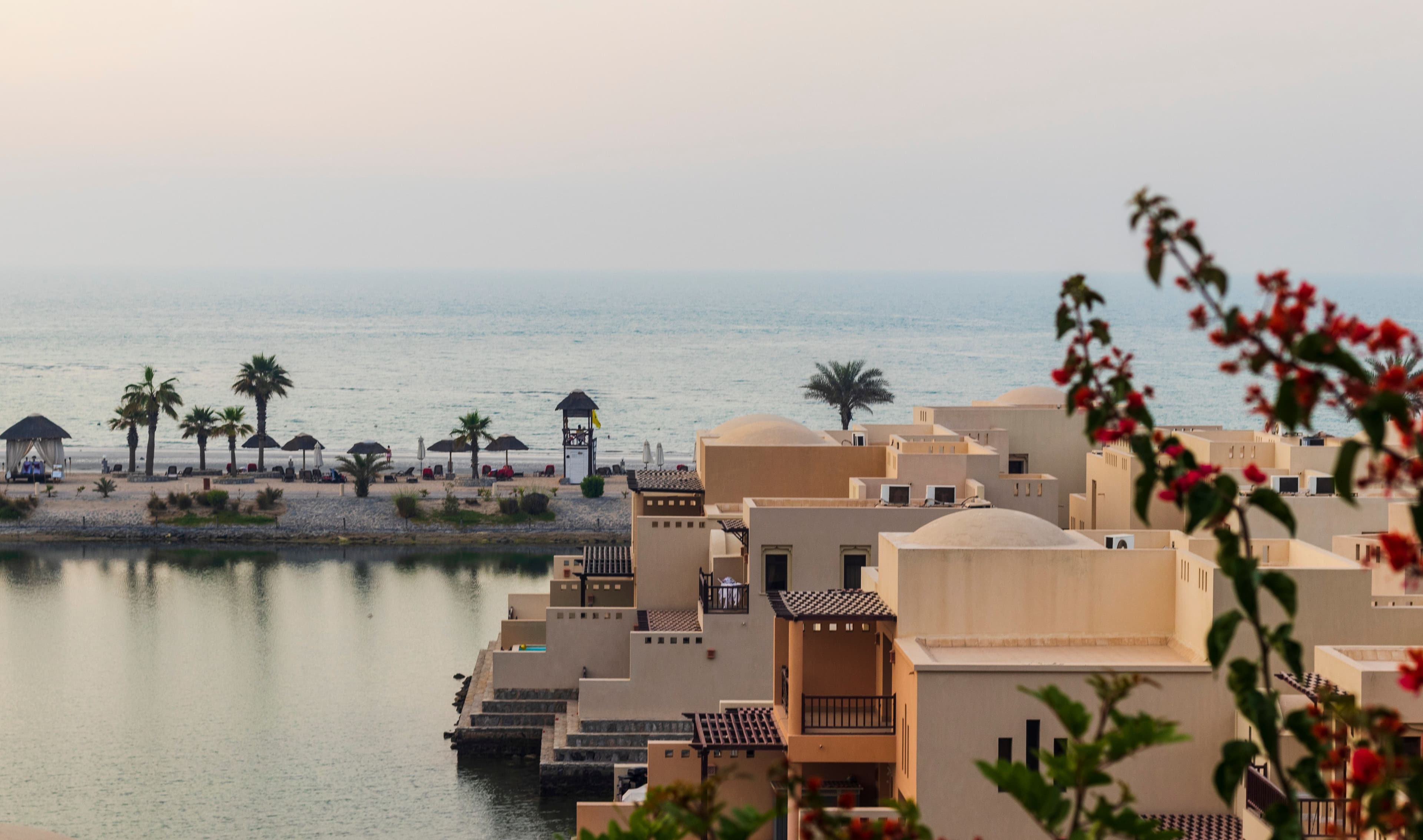
Managing 3 RAK Properties from Sydney: A Complete Guide to Remote Owner Success
Discover proven strategies for successfully managing three RAK investment properties from Sydney. Expert insights on remote ownership, property management, and maximising returns.
Table Of Contents
- Why RAK Properties Are Ideal for Remote Australian Investors
- The Reality of Managing Three Properties Across Time Zones
- Building Your Remote Property Management Foundation
- Technology Solutions for Managing Multiple RAK Properties
- Financial Management and Tax Considerations
- Tenant Relations from 12,000 Kilometres Away
- Maintenance Coordination Without Being On-Ground
- Legal Compliance and Documentation
- Portfolio Growth Strategies for Remote Investors
- Common Challenges and How to Overcome Them
Managing one investment property from another country presents challenges. Managing three simultaneously might seem overwhelming. Yet thousands of Australian investors are successfully building profitable portfolios in Ras Al Khaimah whilst maintaining their lives in Sydney, Melbourne, and beyond. The secret isn't being physically present—it's implementing the right systems, partnerships, and strategies that allow your investments to flourish independently.
Ras Al Khaimah has emerged as one of the UAE's most compelling investment destinations, offering Australian investors exceptional capital growth potential combined with attractive rental yields. With property prices significantly lower than Dubai or Abu Dhabi, yet infrastructure and tourism development accelerating rapidly, RAK presents a unique opportunity for portfolio diversification. However, the 12,000-kilometre distance and seven-hour time difference between Sydney and RAK require a thoughtful approach to property management.
This comprehensive guide reveals exactly how successful remote investors manage multiple RAK properties from Australia, covering everything from selecting the right property management partners to leveraging technology, navigating legal requirements, and maximising returns whilst you sleep. Whether you've already acquired your RAK portfolio or you're considering expanding your investment footprint, these proven strategies will transform remote ownership from a perceived obstacle into a distinct competitive advantage.
Why RAK Properties Are Ideal for Remote Australian Investors
Ras Al Khaimah's investment landscape presents several characteristics that make it particularly suitable for remote ownership from Australia. Understanding these advantages helps frame why managing RAK properties from Sydney is not only feasible but often preferable to more hands-on local investments.
The emirate's regulatory framework actively welcomes foreign investment, with freehold areas allowing 100% overseas ownership and straightforward acquisition processes. Unlike some international markets where foreign buyers face bureaucratic complexity, RAK offers streamlined procedures specifically designed to accommodate international investors. This investor-friendly approach extends beyond purchase—rental laws, property registration, and tenancy regulations are clearly defined and consistently enforced, reducing the ambiguity that complicates remote management in less developed markets.
RAK's property market maturity level occupies an ideal middle ground for remote investors. The emirate has sufficient infrastructure and professional services to support quality property management, yet it hasn't reached the saturation point of Dubai where competition compresses yields. This sweet spot means you'll find competent management companies, reliable maintenance providers, and established tenant pools, whilst still capturing the exceptional growth potential of an emerging market. For investors managing multiple properties remotely, this professional ecosystem proves invaluable—you're not pioneering in an undeveloped market, nor are you paying premium prices for marginal returns.
The time difference between Sydney and RAK, whilst initially seeming problematic, actually creates operational advantages. The seven-hour gap means your RAK properties are being actively managed during Sydney's early morning hours. Property managers, maintenance teams, and tenants operate during their business day whilst you're starting yours, allowing you to review reports, address issues, and make decisions during your Australian morning before your own workday intensifies. This natural workflow separation prevents property management from intruding on your primary professional or personal commitments.
The Reality of Managing Three Properties Across Time Zones
Managing a portfolio of three RAK properties from Sydney requires acknowledging both the genuine challenges and the unexpected efficiencies this arrangement creates. Remote ownership operates differently from local property management, but different doesn't necessarily mean inferior—it simply demands adapted approaches.
The psychological shift represents your first hurdle. Australian property investors accustomed to driving past their rental properties or conducting personal inspections must embrace a new paradigm. Your RAK investments require trusting systems and people rather than relying on personal oversight. This transition challenges many investors initially, particularly those whose Australian portfolio success stemmed from hands-on involvement. However, investors who successfully make this shift often discover that systematic, professional management produces superior outcomes compared to ad-hoc personal intervention.
Three properties create what management experts call "economy of scale in oversight." Managing one distant property feels burdensome because the systems you implement serve only that single asset. Three properties justify the time investment in establishing robust management frameworks, selecting quality partners, and implementing technology solutions. The same weekly review process that monitors one property easily accommodates three. The same property manager who handles one tenancy can manage three with marginal additional cost. Your management efficiency per property actually improves as your portfolio expands.
The coordination complexity does increase, particularly regarding cash flow monitoring, maintenance scheduling, and tenant turnover timing. However, this complexity remains manageable with appropriate systems. Successful remote investors describe their management rhythm as "intensive initially, then remarkably hands-off." The establishment phase demands significant attention—selecting properties, arranging financing, appointing managers, establishing processes. Once operational, well-structured portfolios require surprisingly minimal ongoing intervention, often less than comparable Australian investments plagued by constant tenant communications and maintenance requests.
Building Your Remote Property Management Foundation
Successful remote management begins long before your first tenant moves in. The foundation you establish during property acquisition and setup determines whether your portfolio generates passive income or perpetual headaches.
Selecting Properties with Remote Management in Mind
Not all RAK properties suit remote ownership equally. When building a portfolio for management from Sydney, prioritise developments with established homeowners' associations, comprehensive facilities management, and strong developer reputations. Newer communities with professional management infrastructure reduce the coordination burden on individual owners. Properties in well-maintained developments with 24-hour security, building management, and common area maintenance remove numerous responsibilities that would otherwise require your direct involvement.
Off-plan purchases through specialists like Azimira's exclusive RAK projects offer particular advantages for remote investors. These properties come with developer warranties, new appliances and fixtures requiring minimal early-stage maintenance, and often include initial property management arrangements. The reduced maintenance demands during the first several years allow you to establish your management systems without simultaneously handling repair issues.
Location selection within RAK significantly impacts management simplicity. Properties in established rental markets like Al Marjan Island, Mina Al Arab, or RAK Gateway benefit from deep tenant pools, established comparable rental rates, and experienced local management companies familiar with these communities. Choosing properties in areas with proven rental demand reduces vacancy periods and simplifies pricing decisions—both critical factors when you cannot personally assess local market conditions.
Assembling Your Professional Team
Your professional team represents your physical presence in RAK. The quality of these partnerships directly determines your remote management success. Your core team should include a property manager, maintenance coordinator, and financial advisor familiar with cross-border taxation.
Property manager selection deserves extensive due diligence. Seek companies with demonstrated experience managing properties for overseas investors, established tenant screening processes, and transparent communication practices. Interview multiple candidates via video call, request references from other Australian investors, and carefully review management agreements before signing. Clarify exactly which services are included, how maintenance decisions are made, what constitutes emergency repairs requiring immediate action, and how frequently you'll receive detailed reports.
Your property manager should provide monthly financial statements, quarterly property condition reports with photographs, and immediate notification of significant issues. They should handle tenant placement, rent collection, routine maintenance coordination, and compliance requirements. Resist the temptation to select the cheapest option—management fees varying by 1-2% of annual rental income pale in comparison to the cost of poor tenant placement or neglected maintenance.
A dedicated maintenance coordinator, either through your property management company or independently, ensures responsive handling of repair issues. Many successful remote investors establish relationships with specific contractors for plumbing, electrical, air conditioning, and general maintenance rather than leaving these selections to chance. Your property manager coordinates these providers, but having pre-approved, pre-negotiated contractors ensures consistent quality and prevents inflated emergency repair pricing.
Technology Solutions for Managing Multiple RAK Properties
Technology transforms the remote management experience from burdensome to streamlined. The right digital tools provide visibility, control, and documentation that overcome physical distance.
Property Management Platforms
Professional property management software creates a centralised hub for all three properties. These platforms typically include:
- Tenant portals for rent payments, maintenance requests, and communications
- Owner dashboards displaying occupancy status, financial performance, and upcoming renewals
- Document repositories storing tenancy agreements, inspection reports, and maintenance records
- Financial tracking showing income, expenses, and profit by property
Insist that your property manager uses a platform providing owner access. This transparency allows you to monitor all three properties from a single interface rather than relying solely on emailed reports. Many investors check their dashboard during their Sydney morning coffee, reviewing overnight activity in RAK and addressing any flagged issues before starting their workday.
Communication and Documentation Tools
Establish clear communication channels for different scenarios. WhatsApp Business works exceptionally well for routine updates and quick questions, with the seven-hour time difference still allowing same-day responses to most inquiries. Schedule monthly video calls with your property manager to review performance, discuss upcoming lease renewals, and address strategic questions.
Cloud-based document management ensures you can access critical paperwork from anywhere. Maintain organised folders for each property containing purchase documents, title deeds, tenancy agreements, DEWA (utilities) accounts, maintenance records, and financial statements. This organisation proves invaluable during tax preparation, refinancing applications, or property sales.
Financial Management Systems
Dedicated bank accounts for your RAK properties simplify financial tracking and tax reporting. Many Australian banks now offer international accounts with UAE dirham capabilities, though local UAE bank accounts often prove more practical for rent collection and expense payments. Accounting software with multi-currency support helps track performance in both AED and AUD, essential for understanding true returns given exchange rate fluctuations.
Automate wherever possible. Set up standing instructions for regular expenses like management fees and service charges. Use property management platforms with integrated payment processing so tenant rents automatically flow to your designated account. These automations reduce the manual transactions requiring your attention each month.
Financial Management and Tax Considerations
Managing finances across currencies, banking systems, and tax jurisdictions represents one of remote ownership's most complex aspects. However, proper structuring and professional advice transform this complexity into manageable routine.
Currency and Banking Strategies
Your RAK properties generate income in UAE dirhams whilst your personal expenses occur in Australian dollars. This currency exposure creates both risk and opportunity. The AED's peg to the US dollar means your returns correlate with USD/AUD exchange rates, adding volatility to your Australian-dollar returns. Sophisticated investors develop currency strategies, sometimes retaining earnings in AED when the Australian dollar strengthens, then repatriating funds when the AUD weakens.
Maintain UAE bank accounts for property operations rather than constantly transferring funds to Australia. This approach minimises currency conversion costs and simplifies local transactions. Transfer funds to Australia strategically—quarterly or semi-annually rather than monthly—to reduce transaction fees and allow tactical timing around exchange rates.
Document all financial transactions meticulously. Cross-border property ownership invites scrutiny from tax authorities in both jurisdictions. Maintain clear records showing rental income sources, deductible expenses, currency conversion rates, and fund transfers between countries. This documentation proves essential during tax filing and protects you should questions arise.
Australian Tax Implications
Australian tax residents must declare worldwide income, including rental earnings from RAK properties. Your rental income, calculated in Australian dollars using appropriate exchange rates, gets added to your Australian taxable income. You can deduct legitimate expenses including property management fees, maintenance costs, insurance, financing interest, and depreciation.
The UAE imposes no personal income tax on rental earnings, preventing double taxation concerns that complicate property investment in some jurisdictions. However, you cannot claim foreign tax credits since you haven't paid foreign tax. This arrangement means your RAK rental income receives the same Australian tax treatment as domestic property income.
Capital gains taxation becomes relevant upon property sale. Australian residents pay capital gains tax on worldwide assets, including RAK properties. The standard 50% CGT discount applies if you've held the property over twelve months. Calculate your capital gain using Australian dollar values at both purchase and sale, with currency movements affecting your taxable gain. Professional tax advice specific to your circumstances proves invaluable, particularly for larger portfolios where structuring decisions significantly impact tax efficiency.
Tenant Relations from 12,000 Kilometres Away
Quality tenant relationships underpin successful property investment, yet distance potentially complicates these connections. Strategic approaches maintain positive tenant experiences whilst protecting your investment interests.
Tenant Selection and Screening
Your physical absence makes rigorous tenant screening absolutely critical. You cannot compensate for poor tenant selection through personal intervention, making your upfront screening process your primary protection against problematic tenancies. Insist that your property manager implements comprehensive screening including:
- Employment verification with salary confirmation
- Previous landlord references from at least two prior tenancies
- Credit checks through UAE credit bureaus
- Security deposit equivalent to one month's rent (standard in RAK)
- Post-dated cheques for the entire tenancy period (common UAE practice)
RAK's rental market includes diverse tenant profiles—expatriate professionals, local families, and increasingly, remote workers attracted to the emirate's quality of life and affordability. Each segment presents different considerations. Expatriate professionals often provide stable, long-term tenancies but may relocate suddenly if employment changes. Families typically maintain properties well but generate more maintenance requests. Understanding your target tenant segment helps align your property features and management approach accordingly.
Communication Structures
Establish clear expectations about tenant communications from the tenancy's beginning. Tenants should understand that your property manager serves as their primary contact for all routine matters, maintenance requests, and questions. Provide your contact information for emergency escalation, but direct standard communications through your manager.
This structure prevents the communication chaos that occurs when tenants contact owners directly for routine issues, who then contact property managers for resolution, creating delays and confusion. Clear channels streamline responses and ensure proper documentation of all tenant interactions.
Responsiveness matters enormously for tenant satisfaction and retention. Even though you're remote, your management systems should enable rapid response to tenant concerns. Property managers should acknowledge maintenance requests within 24 hours and resolve routine issues within 72 hours. This responsiveness—often superior to owner-managed properties where landlords juggle multiple commitments—becomes a competitive advantage in tenant retention.
Lease Renewals and Rent Adjustments
RAK tenancies typically run for twelve months, with renewal discussions beginning 60-90 days before expiry. Your property manager should provide renewal recommendations based on market conditions, tenant payment history, and property condition. Trust this professional advice, but verify rental rate suggestions against current market listings for comparable properties.
Tenant retention generally proves more valuable than maximising rental increases. The costs of vacancy, marketing, tenant turnover cleaning, and potential maintenance exceed the gains from modest rent increases. Many successful remote investors accept below-market increases for quality tenants with excellent payment records, recognising that consistent occupancy and property care outweigh marginal rental gains.
Maintenance Coordination Without Being On-Ground
Maintenance represents remote ownership's most frequently cited concern. How do you ensure quality repairs without personal oversight? How do you prevent unnecessary expenses or inflated pricing? Systematic approaches address these legitimate concerns.
Preventative Maintenance Scheduling
Proactive maintenance prevents the emergency repairs that create stress for remote owners. Implement scheduled servicing for critical systems:
- Air conditioning servicing quarterly (essential in RAK's climate)
- Plumbing inspections annually
- Electrical system checks annually
- Appliance servicing according to manufacturer schedules
- Deep cleaning between tenancies
Scheduled maintenance costs less than emergency repairs and extends equipment lifespan. Your property manager should coordinate this servicing, but you should mandate the schedule and review completion documentation. Many remote investors establish annual maintenance budgets per property, instructing their managers to complete all scheduled servicing within this allocation.
Repair Approval Processes
Clearly define which repairs your property manager can authorise independently and which require your approval. A typical structure might allow independent approval for repairs under AED 500, require notification for repairs between AED 500-2,000, and mandate explicit approval for anything exceeding AED 2,000.
This tiered approach balances responsiveness with cost control. Tenants don't wait days for minor repairs whilst you review quotes across time zones, yet significant expenditures receive proper oversight. Adjust these thresholds based on your comfort level and property manager's proven reliability.
Demand documentation for all repairs—photographs of the issue, quotes from contractors, and completion photos. This documentation serves multiple purposes: verifying work necessity, confirming completion quality, and providing records for tax deductions and eventual property sales. Property managers accustomed to overseas investors readily provide this documentation; those resisting detailed reporting probably aren't suitable for remote ownership portfolios.
Building Contractor Relationships
Whilst you cannot personally supervise contractors, you can structure incentives promoting quality work. Establish ongoing relationships with reliable providers rather than sourcing new contractors for each issue. Contractors valuing repeat business from your three-property portfolio deliver better service than one-off providers with no reputational stake.
Consider visiting RAK annually if feasible, meeting your property managers and key contractors in person. These relationships, even if primarily virtual, benefit from occasional face-to-face interaction. Your visit demonstrates commitment and allows personal property inspections, contractor meetings, and market research for potential portfolio expansion.
Legal Compliance and Documentation
Navigating UAE property regulations from Australia requires understanding the legal framework and maintaining meticulous documentation.
Essential Documentation and Renewals
RAK property ownership involves several documents requiring periodic renewal or attention:
- Title deed (registered with RAK Land Department)
- DEWA account (utilities registration in owner's name)
- Tenancy contract (registered with RAK Municipality)
- Ejari registration (tenancy registration—verify if required for your property location)
- Building insurance (annual renewal)
- Homeowners' association fees (quarterly or annual, depending on development)
Your property manager typically handles tenancy-related registrations, but ultimate responsibility remains yours. Maintain a renewal calendar tracking when each document or registration requires attention. Missing renewal deadlines can create complications with tenancy enforceability or expose you to penalties.
Understanding UAE Rental Regulations
The UAE's rental laws protect both landlords and tenants, with clear frameworks governing permissible rent increases, eviction procedures, and dispute resolution. RAK follows similar regulations to other emirates whilst maintaining some local variations. Key points include:
- Rent increases during tenancy are prohibited; increases apply only at renewal
- Permissible increase percentages are regulated based on market comparisons
- Tenants receive protection against arbitrary eviction
- Landlords can reclaim properties for personal use or major renovation with proper notice
- Disputes are resolved through RAK Rental Disputes Centre
Familiarise yourself with these regulations or ensure your property manager demonstrates comprehensive knowledge. Attempting to enforce non-compliant lease terms creates legal complications that become far more problematic when you're managing remotely.
Record-Keeping for Legal Protection
Maintain comprehensive records of all property-related transactions, communications, and documentation. This includes purchase documents, financing records, tenancy agreements, maintenance receipts, utility bills, tax filings, and correspondence with property managers and tenants.
Organise these records digitally in cloud storage with logical folder structures. Should disputes arise—with tenants, contractors, property managers, or tax authorities—comprehensive documentation provides your primary protection. Remote ownership amplifies documentation importance since you cannot rely on personal recollection or informal relationships to resolve issues.
Portfolio Growth Strategies for Remote Investors
Successfully managing three RAK properties from Sydney positions you perfectly for strategic portfolio expansion. Your established systems, proven partnerships, and operational experience create competitive advantages for growth.
Leveraging Existing Infrastructure
Your fourth RAK property requires minimal additional management infrastructure. The same property manager, contractors, and systems serve an expanded portfolio with marginal incremental effort. This scalability represents one of remote ownership's often-overlooked advantages—each additional property benefits from your existing framework whilst contributing to overall portfolio returns.
Many successful investors expand their RAK holdings specifically because they've established efficient remote management systems. Adding properties in Dubai or Abu Dhabi might require new property managers and unfamiliar local regulations. Adding another RAK property leverages proven relationships and established processes.
Strategic Diversification Within RAK
Consider diversification across RAK's various submarkets rather than concentrating all properties in a single development. Holdings spanning Al Marjan Island's beachfront luxury segment, Mina Al Arab's family-oriented community, and RAK Gateway's affordable rental market provide exposure to different tenant demographics and appreciation drivers. This diversification reduces portfolio risk whilst maintaining management simplicity through geographic concentration.
Off-plan acquisitions through established partners like Azimira's curated RAK opportunities allow strategic portfolio building aligned with market evolution. Emerging developments often offer pre-launch pricing substantially below eventual market values, providing exceptional capital growth potential whilst your existing properties generate current income.
Capital Recycling and Portfolio Optimisation
As RAK properties appreciate and your portfolio matures, consider strategic sales and reinvestment. Properties purchased three to five years ago may have appreciated 30-50% or more, depending on location and timing. Harvesting some capital gains allows purchasing multiple properties in emerging areas, expanding your portfolio whilst locking in proven returns.
This recycling strategy works particularly well for remote investors with established management systems. You're not abandoning a market to explore new territories; you're optimising holdings within a market where you've proven successful, deepening your investment whilst maintaining operational simplicity.
Common Challenges and How to Overcome Them
Even well-structured remote portfolios encounter challenges. Understanding common issues and proven solutions prevents minor concerns from becoming major problems.
Challenge: Communication Delays and Misunderstandings
Time zone differences and digital-only communication create potential for delayed responses and misunderstood instructions. Overcome this through:
- Establishing regular video calls rather than relying solely on email
- Using voice messages for complex instructions where tone and emphasis matter
- Documenting important decisions in writing following verbal discussions
- Building buffer time into decision-making processes, recognising that urgent matters may take 24 hours rather than 2 hours to resolve
Challenge: Difficulty Assessing Property Manager Performance
Without personal property visits, evaluating management quality becomes challenging. Implement performance metrics including:
- Vacancy rates compared to market averages
- Tenant retention percentages
- Average time to fill vacancies
- Maintenance response times
- Budget variance between projected and actual expenses
- Rental rate achievement versus market comparables
Schedule quarterly performance reviews using these metrics. Underperformance in multiple areas indicates management changes may be necessary. Don't persist with inadequate managers from misplaced loyalty or reluctance to change—your properties represent substantial investments deserving professional oversight.
Challenge: Emergency Situations Requiring Immediate Decisions
Occasionally, genuine emergencies require immediate decisions during Sydney's night-time hours. Structure contingency approaches:
- Provide your property manager with pre-approved emergency repair authority up to a specified amount
- Establish emergency contacts beyond your property manager for redundancy
- Accept that immediate perfect decisions matter less than rapid appropriate action—a burst pipe requires immediate response even if it costs slightly more than the cheapest quote
Challenge: Feeling Disconnected from Your Investments
Some investors struggle with the psychological distance from their properties, questioning whether their investments truly perform as reported. Address this through:
- Annual RAK visits allowing personal property inspections
- Video walkthroughs conducted by property managers between your visits
- Regular review of property listings to track market evolution
- Engagement with online communities of RAK investors sharing experiences and insights
Remember that successful investing doesn't require emotional connection—it requires systematic execution of proven strategies. Many remote investors discover that professional detachment actually improves decision-making, preventing the emotional reactions that derail owner-occupied or locally-managed investments.
Challenge: Regulatory or Tax Changes
Both UAE and Australian regulations evolve, potentially affecting your portfolio's profitability or compliance requirements. Stay informed through:
- Annual consultations with cross-border tax professionals
- Subscription to UAE property investor publications and newsletters
- Membership in Australian expatriate investor networks
- Regular communication with property managers regarding local regulatory developments
Proactive awareness of regulatory changes allows strategic responses rather than reactive scrambling. Many apparent threats present opportunities for prepared investors—new visa programmes, infrastructure investments, or planning approvals that affect property values.
Managing multiple RAK properties from Sydney requires systems, partnerships, and mindset shifts from traditional property investment approaches. However, thousands of Australian investors prove daily that distance doesn't diminish returns—it simply demands different management approaches. Your RAK portfolio can deliver exceptional capital growth and attractive yields whilst requiring minimal ongoing time investment, provided you establish robust foundations and maintain disciplined oversight.
The seven-hour time difference, rather than being an obstacle, creates natural workflow separation. Your properties operate professionally during their business day whilst you focus on your Australian commitments, with strategically timed review points allowing effective oversight without constant intervention. Your professional team in RAK functions as your extended presence, executing strategies and managing operations within frameworks you've established.
Successful remote ownership stems not from being physically present, but from being strategically engaged—implementing systems that work independently, selecting partners who execute reliably, and maintaining sufficient oversight to ensure alignment with your investment objectives. These principles apply whether you manage one RAK property or ten, from Sydney or Singapore.
The success of your three-property RAK portfolio depends less on your geographic location than on the quality of your management framework. Remote ownership from Sydney offers distinct advantages—professional detachment enabling better decisions, systematic processes preventing ad-hoc reactions, and proven partnerships replacing personal intervention. These advantages compound as your portfolio expands, with each additional property benefiting from established infrastructure whilst contributing to overall returns.
Ras Al Khaimah's exceptional growth trajectory, investor-friendly regulations, and developing professional services ecosystem create ideal conditions for remote ownership. The emirate offers the infrastructure maturity supporting professional property management whilst maintaining the growth potential of an emerging market. For Australian investors seeking portfolio diversification beyond saturated domestic markets, RAK presents compelling opportunities—provided you implement the management approaches that transform distance from liability to advantage.
Your remote management success ultimately reflects the quality of decisions made during property acquisition and team assembly. Selecting properties in well-managed developments, appointing experienced property managers, implementing robust technology solutions, and maintaining disciplined oversight create portfolios that perform reliably regardless of your physical location. These foundations, once established, support not only your current three properties but strategic expansion as RAK's property market continues its remarkable evolution.
Ready to Expand Your RAK Property Portfolio?
Whilst managing existing properties remotely requires robust systems, identifying your next exceptional investment opportunity demands specialised market expertise. Azimira Real Estate's exclusive access to pre-launch and off-market RAK developments provides discerning investors with opportunities unavailable through conventional channels.
Our deep RAK market insights and curated portfolio of premium projects allow you to strategically expand your holdings whilst leveraging your established management infrastructure. From luxury waterfront apartments to exclusive villa communities, we identify high-yield opportunities aligned with your investment objectives and remote ownership requirements.
Discover how Azimira's tailored approach to RAK property investment can enhance your portfolio's performance. Contact our specialist team today to explore exclusive opportunities perfectly suited for remote Australian investors seeking exceptional capital growth in the UAE's most dynamic emerging market.
Related articles
What Counts as Good Real Estate Investments in 2026
Learn what makes good real estate investments in 2026, from net yield and demand signals to legal checks, exit plans and UAE opportunities.

Investors Needed for Real Estate? Start With This Plan
Investors needed for real estate? Use this practical plan to define strategy, numbers, due diligence and partners before raising capital.
Investment Marketing Tactics Developers Use at Launch
Understand investment marketing tactics developers use at launch, from scarcity to incentives, and learn how to assess UAE off-plan deals.