New Hotel Openings in RAK: Impact on Short-Term Rental Market and Investment Opportunities
Discover how major hotel openings in Ras Al Khaimah are reshaping the short-term rental market and creating strategic investment opportunities for property investors.
Table Of Contents
- The RAK Hospitality Boom: What's Coming
- Understanding the Short-Term Rental Landscape in RAK
- How New Hotels Will Transform the Market
- Strategic Opportunities for Property Investors
- Location Analysis: Where to Invest Now
- Maximising Returns in a Competitive Environment
- The Azimira Advantage in RAK Investment
Ras Al Khaimah is on the cusp of a hospitality transformation that will fundamentally reshape its property investment landscape. With major international hotel brands announcing significant developments and the emirate positioning itself as a premium tourism destination, investors naturally question how these new hotels will impact the short-term rental market. Whilst increased competition might seem concerning at first glance, the reality presents a far more nuanced and ultimately positive picture for strategic property investors.
The influx of branded hotels doesn't simply create competition—it catalyses market maturity, drives infrastructure development, and elevates RAK's profile amongst international visitors who might never have considered the emirate previously. For discerning investors who understand market dynamics and position their properties strategically, these hotel openings represent validation of RAK's growth trajectory rather than a threat to rental yields. The key lies in understanding how the market is evolving and identifying the specific opportunities that emerge when a destination transitions from emerging to established.
This comprehensive analysis examines the upcoming hotel developments in RAK, their anticipated impact on the short-term rental sector, and the strategic investment opportunities available to those who act now. Whether you're considering your first RAK investment or expanding an existing portfolio, understanding these market dynamics is essential for maximising returns in this rapidly evolving emirate.
The RAK Hospitality Boom: What's Coming
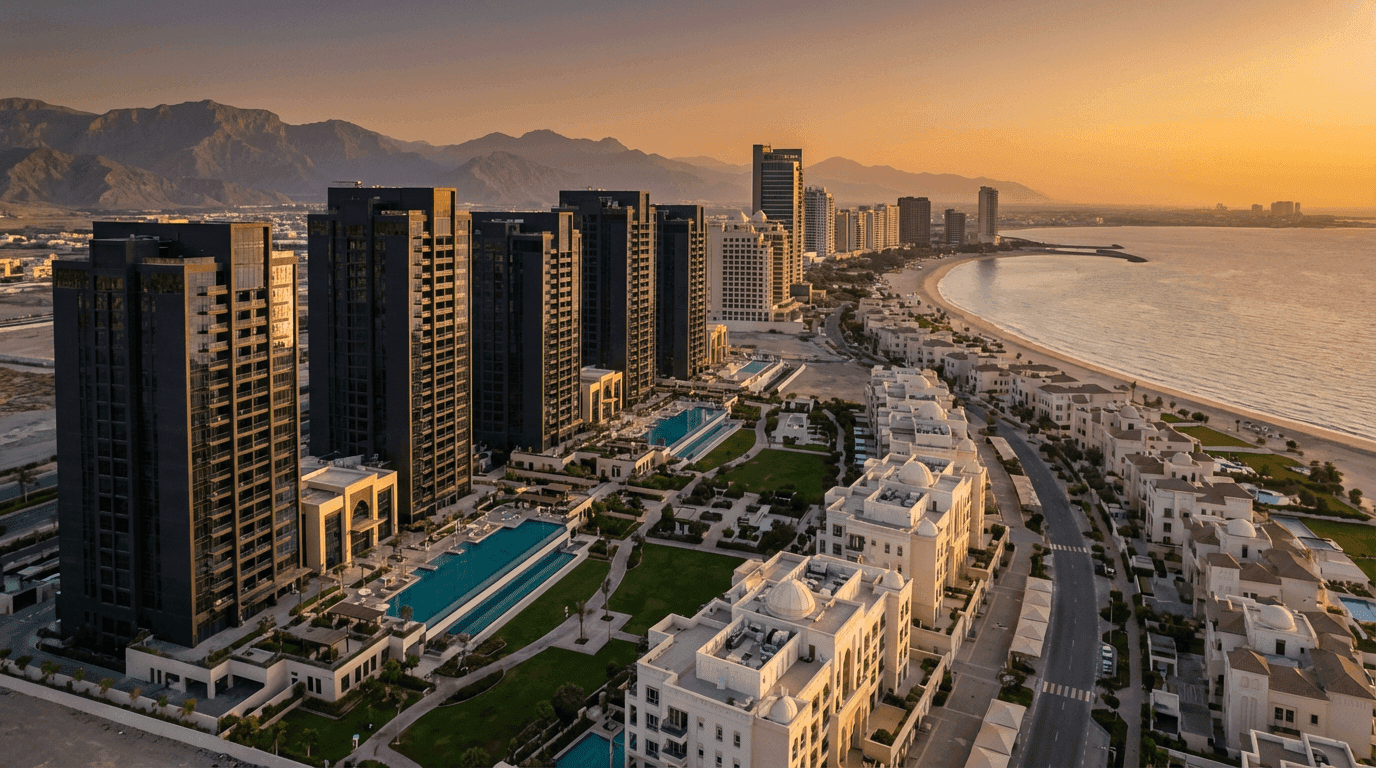
Ras Al Khaimah's hotel development pipeline represents one of the most ambitious hospitality expansions in the Northern Emirates, with numerous internationally recognised brands preparing to establish their presence. Major announcements include luxury beachfront resorts, boutique wellness retreats, and business-focused properties that collectively will add thousands of rooms to the emirate's inventory. These developments aren't random—they reflect sophisticated market analysis by global hospitality groups who recognise RAK's potential to capture growing visitor numbers seeking alternatives to Dubai and Abu Dhabi's premium pricing.
The strategic positioning of these hotels spans RAK's diverse geography, from the pristine beaches of Al Marjan Island to the dramatic mountain landscapes of Jebel Jais and the historic charm of the Old Town. This geographical distribution is particularly significant for short-term rental investors because it validates multiple investment locations rather than concentrating development in a single area. Each hotel development brings supporting infrastructure—improved road access, dining establishments, retail outlets, and recreational facilities—that enhance the appeal of nearby residential properties for short-term guests.
Notably, many of these hotel projects target the premium and luxury segments, with brands that attract high-spending international travellers. This market positioning creates a halo effect that elevates RAK's overall perception as a destination, driving visitor numbers upward whilst simultaneously creating demand for alternative accommodation options that hotels cannot fully satisfy. The corporate and MICE (Meetings, Incentives, Conferences, and Events) focus of several developments also introduces year-round demand patterns that smooth RAK's traditional seasonality.
Understanding the Short-Term Rental Landscape in RAK
Before assessing impact, it's essential to understand RAK's current short-term rental market characteristics. The emirate has experienced steady growth in holiday home popularity, driven by Dubai residents seeking weekend escapes, European tourists attracted by value positioning, and increasingly, digital nomads and remote workers requiring extended stays. Current occupancy rates for well-managed properties in prime locations regularly exceed 70% during peak seasons, with average daily rates that deliver attractive yields compared to longer-term leasing.
RAK's short-term rental market differs fundamentally from Dubai's in several important respects. The emirate attracts guests seeking relaxation, nature experiences, and family-friendly environments rather than urban entertainment and nightlife. Properties with distinctive characteristics—beachfront access, mountain views, private pools, or authentic local design—significantly outperform generic apartments. The guest profile skews towards families, couples, and small groups who prioritise space, privacy, and unique experiences over central locations and proximity to shopping districts.
Regulatory frameworks governing short-term rentals in RAK have matured considerably, with clear licensing requirements and tourism fee structures that legitimise the sector whilst maintaining quality standards. This regulatory clarity provides investor confidence whilst the relatively straightforward compliance process—compared to some other emirates—reduces operational complexity. The RAK Tourism Development Authority actively promotes the emirate and invests in destination marketing, effectively supporting private sector hospitality investments including short-term rental properties.
How New Hotels Will Transform the Market
Market Segmentation and Diversification
The introduction of branded hotels will accelerate market segmentation in RAK's hospitality sector, creating distinct niches that savvy investors can target strategically. Whilst hotels cater primarily to transient tourists seeking standardised experiences and comprehensive on-site amenities, short-term rental properties can position themselves for segments hotels serve poorly. Multi-generational family groups requiring multiple bedrooms and living spaces, extended-stay guests seeking home-like environments, and experience-focused travellers desiring authentic local connections all represent segments where residential properties hold inherent advantages.
This segmentation creates opportunities rather than direct competition because it clarifies positioning strategies. Instead of attempting to compete with hotels on their terms—daily housekeeping, concierge services, structured dining—successful short-term rental properties can emphasise their unique value propositions: flexible spaces for different group sizes, full kitchens that reduce dining costs, private outdoor areas, and residential neighbourhoods that provide local immersion. The presence of hotels actually helps educate these market segments about RAK as a destination, expanding the total visitor pool from which rental properties can draw guests.
Furthermore, hotels introduce price anchors that help guests evaluate accommodation value. A well-positioned three-bedroom villa offering superior space and privacy at comparable or lower costs than booking multiple hotel rooms becomes immediately compelling. This comparison shopping behaviour, facilitated by online travel platforms, benefits properties that deliver exceptional value relative to hotel alternatives.
Infrastructure and Amenity Enhancement
Perhaps the most significant positive impact of hotel development lies in the infrastructure and amenity improvements that accompany these projects. Major hotel brands demand—and often contribute to—enhanced utilities, improved road access, reliable telecommunications, and supporting commercial facilities. These improvements benefit all properties in surrounding areas, including short-term rentals, by addressing infrastructure concerns that might previously have deterred some visitors.
The restaurants, cafes, spas, and recreational facilities that hotels bring create a more comprehensive destination experience without requiring short-term rental owners to provide these amenities directly. Guests staying in rental properties gain access to diverse dining options, professional spa services, and organised activities whilst maintaining their residential privacy and independence. This symbiotic relationship—where hotels provide amenity infrastructure whilst rental properties offer residential advantages—creates a stronger overall destination proposition that attracts more visitors.
Beach clubs, water sports centres, and leisure facilities associated with resort hotels often welcome external guests, effectively subsidising amenity development that rental property owners would find prohibitively expensive to replicate independently. The presence of these facilities transforms formerly underdeveloped coastal stretches into fully-serviced resort areas where residential properties command premium rates based on proximity to world-class amenities.
Pricing Dynamics and Competitive Positioning
Hotel pricing tends to follow predictable patterns based on brand positioning, on-site facilities, and corporate rate structures that create both floors and ceilings within specific market segments. Short-term rental properties, by contrast, can employ dynamic pricing strategies that respond rapidly to demand fluctuations, special events, and seasonal variations. This pricing flexibility represents a significant competitive advantage, allowing rental properties to capture premium rates during peak periods whilst remaining competitively priced during shoulder seasons.
The fixed cost structures of hotels—staff salaries, facility maintenance, corporate overheads—create pricing constraints that don't apply to residential rental properties. During lower-demand periods, rental properties can adjust pricing aggressively to maintain occupancy without compromising brand positioning or corporate rate agreements. Conversely, during exceptional demand periods—major events, holiday weekends, conference seasons—rental properties can capitalise with premium pricing that hotels cannot match due to advance bookings and rate restrictions.
Market analysis from comparable destinations demonstrates that hotel development typically expands total visitor numbers substantially more than it increases accommodation supply, creating net positive demand growth for all hospitality providers. RAK's current hotel room inventory remains modest compared to its tourism potential, suggesting significant capacity for growth before market saturation becomes a concern for well-positioned properties.
Strategic Opportunities for Property Investors
Premium Positioning in Emerging Locations
The announcement of major hotel developments in specific RAK locations provides advance intelligence about areas poised for significant appreciation and rental demand growth. Exclusive RAK Off-Plan Projects in these emerging locations offer investors the opportunity to acquire properties before hotels open and demand intensifies, securing optimal pricing and prime unit selection. Areas surrounding announced hotel developments benefit from infrastructure improvements and heightened destination awareness whilst properties purchased during the development phase avoid the price premium that inevitably follows hotel openings.
Investors who position themselves in these emerging locations before hotels commence operations can capture two distinct value creation phases: capital appreciation as the area develops and the hotel opening approaches, followed by enhanced rental demand once the hotel begins operations and introduces guests to the area. Properties acquired strategically during early development phases often deliver superior total returns compared to established locations where pricing already reflects current amenities and demand.
The key lies in identifying locations where hotel development signals genuine transformation rather than speculative overbuilding. Areas with complementary infrastructure plans—new road connections, commercial developments, recreational facilities—offer the strongest investment cases because they create sustainable long-term demand rather than temporary construction-driven activity.
Corporate and Extended Stay Markets
Hotel developments targeting business travellers and conference delegates simultaneously create opportunities for properties positioned for extended corporate stays. Business travellers requiring weeks or months in RAK for project work, companies seeking accommodation for rotating staff, and conference attendees extending their stays beyond event dates all represent segments poorly served by traditional hotels. The corporate extended-stay market values residential amenities—full kitchens, separate living and sleeping areas, dedicated workspaces, laundry facilities—that hotels rarely provide at competitive price points.
Properties configured specifically for this market segment—with high-speed internet, ergonomic workspaces, business-appropriate furnishings, and flexible check-in/check-out—can command premium rates with exceptional occupancy rates. Corporate clients prioritise reliability, consistency, and professional management over trendy design or luxury finishes, creating opportunities for investors to generate strong returns from well-located, professionally appointed properties without excessive capital expenditure on high-end finishes.
The growth of remote work and digital nomadism amplifies this opportunity, with increasing numbers of professionals seeking month-long stays in appealing destinations where they can balance work responsibilities with lifestyle amenities. RAK's combination of natural beauty, outdoor activities, and improving connectivity positions it ideally for this emerging market segment.
Experiential and Lifestyle Properties
Whilst branded hotels deliver consistency and reliability, they inherently lack the unique character and authentic local connections that experiential travellers increasingly seek. Properties that offer distinctive architectural design, cultural authenticity, or unique location characteristics can position themselves in premium market segments where hotels cannot compete effectively. Beachfront villas with private beach access, mountain retreats with panoramic Hajar views, or heritage properties in RAK's historic districts offer experiences that standardised hotel rooms simply cannot replicate.
This experiential positioning requires thoughtful property selection and potentially targeted renovations that enhance distinctive characteristics rather than creating generic luxury. The most successful properties in this segment tell a story—about RAK's culture, natural environment, or architectural heritage—that resonates with guests seeking meaningful travel experiences. Investment in these properties focuses on authenticity and character rather than standardisation, creating differentiation that justifies premium pricing and generates guest loyalty.
The rise of social media and experience-focused travel has amplified demand for distinctive, photogenic properties that guests proudly share with their networks. Properties that offer Instagram-worthy design, spectacular views, or unique amenities generate organic marketing through guest content whilst commanding premium rates from travellers seeking shareable experiences.
Location Analysis: Where to Invest Now
Al Marjan Island remains RAK's premier beachfront development area, with several major hotel announcements confirming its position as the emirate's flagship resort destination. Properties here benefit from extensive beach access, established infrastructure, and proven rental demand, though pricing reflects this premium positioning. Investors should focus on properties offering superior specifications or unique positions that differentiate them within the competitive Al Marjan market.
The Jebel Jais region presents compelling opportunities as adventure tourism and mountain experiences gain popularity. Hotel developments in this area validate the market potential whilst the limited supply of residential properties creates scarcity value. Properties offering mountain views, proximity to adventure activities, or unique architectural integration with the landscape can capture growing demand from visitors seeking alternatives to beach-focused holidays.
RAK's emerging mainland developments, particularly master-planned communities combining residential and commercial elements, offer value-focused investment opportunities with strong growth potential. These locations typically provide more accessible entry points for investors whilst benefiting from infrastructure improvements and amenity development associated with the broader RAK growth story. Investing in RAK Property: Unlocking Exceptional Returns and Growth requires careful analysis of location-specific demand drivers and realistic appreciation forecasts.
Mina Al Arab's waterfront positioning and established community infrastructure make it particularly attractive for family-focused short-term rentals. The area's residential character, marina facilities, and nature-focused amenities appeal to guests seeking relaxed, community-oriented experiences distinct from resort hotel environments. Properties here can position for extended stays and repeat visitation from guests who develop affinity for the area's lifestyle orientation.
Maximising Returns in a Competitive Environment
Successful short-term rental investment in RAK's evolving market requires more than simply acquiring property in desirable locations. Professional property management that maintains high standards, responds promptly to guest communications, and optimises pricing dynamically separates top-performing properties from underperformers. Investors should carefully evaluate management partners based on their RAK-specific expertise, technology platforms, and demonstrated performance metrics rather than selecting based solely on management fees.
Property presentation and photography significantly influence booking conversion rates, with professional styling and high-quality imagery delivering measurable return on investment through increased bookings and pricing power. The most successful properties invest in creating cohesive design narratives that photograph exceptionally well whilst providing genuine comfort and functionality. This investment in presentation quality pays dividends throughout the property's operational life through superior occupancy rates and reduced price sensitivity.
Guest experience optimisation—through thoughtful amenity provision, local recommendations, seamless check-in processes, and responsive communication—generates positive reviews that drive future bookings more effectively than any marketing expenditure. Properties that consistently deliver exceptional guest experiences build review portfolios that provide competitive insulation even as new supply enters the market. This focus on guest satisfaction creates sustainable competitive advantages that transcend location and specifications.
Strategic distribution across multiple booking platforms, combined with direct booking capabilities, maximises visibility whilst managing commission costs. Properties should maintain presence on major platforms where guests actively search whilst developing direct booking channels that reduce dependency on third-party platforms and improve unit economics over time.
The Azimira Advantage in RAK Investment
Navigating RAK's evolving property market requires expertise that extends beyond generic real estate knowledge to encompass deep understanding of tourism trends, rental market dynamics, and location-specific demand drivers. Azimira Real Estate's specialised focus on RAK investment opportunities provides clients with insights and access that generalist agencies cannot match. Our curated portfolio includes properties specifically selected for short-term rental potential, with detailed analysis of projected yields based on location, specifications, and market positioning.
Our exclusive access to pre-launch and off-market properties enables investors to secure premium units in sought-after developments before public release, often with preferential pricing and optimal unit selection. This early access proves particularly valuable in RAK's rapidly appreciating market, where the best opportunities are frequently secured before formal marketing campaigns commence. Our relationships with developers provide clients with advantageous payment terms and transparent transaction processes.
Beyond property acquisition, our comprehensive market intelligence helps investors understand how hotel developments, infrastructure projects, and tourism initiatives will impact specific locations and property types. This forward-looking analysis enables strategic positioning that anticipates market evolution rather than reacting to changes after they occur. Our clients benefit from ongoing market updates and strategic guidance throughout their investment journey, ensuring their RAK portfolio remains optimally positioned as market dynamics evolve.
The surge of hotel development in Ras Al Khaimah represents a pivotal moment in the emirate's evolution as a world-class destination. Far from threatening short-term rental investments, these hotels validate RAK's growth trajectory whilst creating infrastructure, amenities, and destination awareness that benefit all hospitality providers. The key to investment success lies in understanding market segmentation, positioning properties strategically, and maintaining operational excellence that delivers exceptional guest experiences.
Investors who act decisively to secure well-positioned properties before hotel openings drive price appreciation will capture both immediate rental yields and substantial capital growth as RAK's tourism sector matures. The most compelling opportunities exist in emerging locations adjacent to announced hotel developments, distinctive properties that offer experiences hotels cannot replicate, and professionally managed units targeting underserved segments like extended corporate stays.
RAK's combination of natural beauty, strategic development, and value positioning creates a compelling investment thesis that hotel announcements reinforce rather than undermine. For discerning investors seeking exceptional returns in the UAE's most dynamic emerging market, the time to act is now—before the broader market fully recognises the opportunities that RAK's hospitality transformation creates.
Ready to capitalise on RAK's hospitality boom? Azimira Real Estate provides exclusive access to premium off-plan properties and investment opportunities perfectly positioned to benefit from the emirate's transformation. Our RAK specialists offer personalised consultations analysing your investment objectives and identifying properties that align with your financial goals. Contact our team today to discover how strategic RAK investment can deliver the exceptional returns and capital growth your portfolio deserves.
Related articles
What Counts as Good Real Estate Investments in 2026
Learn what makes good real estate investments in 2026, from net yield and demand signals to legal checks, exit plans and UAE opportunities.

Investors Needed for Real Estate? Start With This Plan
Investors needed for real estate? Use this practical plan to define strategy, numbers, due diligence and partners before raising capital.
Investment Marketing Tactics Developers Use at Launch
Understand investment marketing tactics developers use at launch, from scarcity to incentives, and learn how to assess UAE off-plan deals.