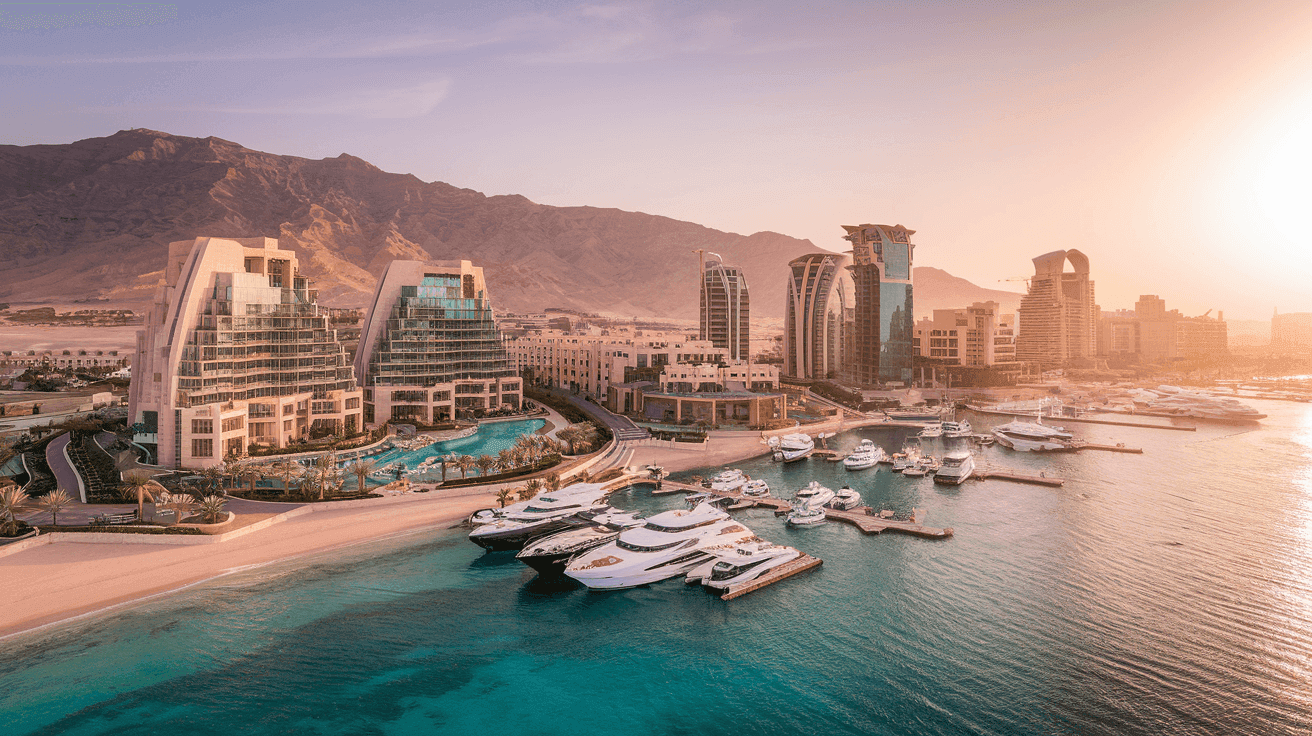
Tourism Boom Tracker: Analysing Ras Al Khaimah's Visitor Numbers & Investment ROI Forecast
Explore Ras Al Khaimah's unprecedented tourism growth, visitor statistics, and how this boom translates to exceptional property investment returns and capital appreciation opportunities.
Table Of Contents
- Ras Al Khaimah's Tourism Revolution: By the Numbers
- Key Tourism Growth Drivers in RAK
- Visitor Demographics: Understanding the New RAK Tourist
- Tourism Infrastructure Developments
- The Tourism-Property Value Connection
- ROI Forecast: Tourism Impact on RAK Property Investments
- Strategic Investment Opportunities in Tourism-Driven Areas
- Future Outlook: RAK Tourism Trajectory 2025-2030
- Conclusion: Capitalising on RAK's Tourism-Driven Property Market
Tourism Boom Tracker: Analysing Ras Al Khaimah's Visitor Numbers & Investment ROI Forecast
Ras Al Khaimah, the UAE's northernmost emirate, is experiencing a remarkable transformation from a hidden gem to a global tourism powerhouse. With visitor numbers reaching unprecedented heights and tourism investments flowing into the region at record levels, RAK has emerged as one of the Middle East's most compelling success stories in destination development.
This tourism explosion isn't merely reshaping the emirate's global reputation—it's creating a ripple effect across RAK's property market, generating exceptional investment opportunities with compelling ROI potential. For discerning investors, understanding the correlation between tourism growth metrics and property appreciation offers a crucial advantage in identifying high-yield investment opportunities before they reach market saturation.
In this comprehensive analysis, we examine the latest visitor statistics, track the emirate's tourism development trajectory, and provide data-driven insights into how these tourism trends directly translate to property investment returns. Whether you're considering RAK's luxurious waterfront developments or exclusive villa communities, this tourism boom tracker provides the essential metrics to inform strategic investment decisions in one of the UAE's most promising emerging markets.
Ras Al Khaimah's Tourism Revolution: By the Numbers
Ras Al Khaimah's tourism sector has undergone a remarkable transformation in recent years, with visitor metrics demonstrating consistent and impressive growth patterns. The emirate welcomed over 1.13 million visitors in 2022, representing a 15.6% increase compared to pre-pandemic levels. This growth trajectory has continued with even greater momentum, with the first three quarters of 2023 showing a further 8.3% year-on-year increase.
Hotel occupancy rates tell an equally compelling story. RAK's premium hospitality establishments have achieved average occupancy rates of 68.7%, with luxury beachfront properties regularly exceeding 80% during peak seasons. This represents a 7.2 percentage point increase compared to regional averages, highlighting RAK's emerging status as a preferred destination for high-spending tourists.
Perhaps most significantly for investors, tourist spending has shown remarkable growth, with average per-visitor expenditure increasing by 12.4% year-on-year. The emirate has successfully positioned itself to attract premium visitors, with luxury and adventure tourism segments showing particularly strong performance metrics.
Key Tourism Growth Drivers in RAK
Ras Al Khaimah's tourism surge can be attributed to several strategic initiatives and unique advantages that have collectively enhanced the emirate's appeal to international and domestic visitors.
The development of distinctive adventure tourism assets has been transformative. Jebel Jais, the UAE's highest mountain, now hosts the world's longest zipline and a comprehensive adventure park that has become a significant draw for thrill-seekers. These attractions have generated over 120,000 visitor days annually, creating a new tourism category previously unavailable in the UAE.
RAK's Tourism Development Authority has executed a masterful destination marketing strategy, securing partnerships with major international tour operators and airlines. These collaborations have increased flight connectivity, with RAK International Airport now serving 160+ destinations through direct and connecting flights—a 45% increase in air connectivity over five years.
The emirate's strategic diversification beyond pure beach tourism has proven particularly effective. By developing cultural heritage sites, desert experiences, and mountain adventures alongside traditional beach resorts, RAK has extended average visitor stays to 3.6 nights, up from 2.8 nights in 2018.
Government initiatives have further accelerated tourism growth, with a AED 500 million investment programme specifically targeting tourism infrastructure. This public commitment has catalysed private sector confidence, leading to a complementary AED 4.1 billion in private tourism-related investments.
Visitor Demographics: Understanding the New RAK Tourist
The profile of visitors choosing Ras Al Khaimah has evolved significantly, with important implications for property investors seeking to align their portfolios with tourism-driven demand.
European markets now represent 42% of RAK's international visitors, with particularly strong growth from Germany, the UK, and Scandinavian countries. These visitors typically stay longer (average 5.2 nights) and spend 30% more than the mean visitor expenditure, creating sustained demand for high-quality accommodation options.
The GCC market remains substantial, accounting for 38% of visitors, with Saudi Arabia and Kuwait showing the strongest year-on-year growth at 14.2% and 11.8% respectively. These regional visitors often travel in larger family groups and show increased interest in villa-style accommodations and serviced residences.
A significant emerging segment is the luxury adventure tourist—typically high-net-worth individuals seeking premium experiences combined with outdoor activities. This demographic has shown particular interest in exclusive property viewing during their visits, with 18% of luxury segment visitors engaging with real estate opportunities while in RAK.
Business tourism has also shown remarkable growth, with MICE (Meetings, Incentives, Conferences, and Exhibitions) visitors increasing by 23% year-on-year. This segment generates consistent demand throughout the year, helping to flatten seasonality curves and create more stable rental yields.
Tourism Infrastructure Developments
Ras Al Khaimah's ambitious tourism master plan has triggered substantial infrastructure investments that are fundamentally enhancing the emirate's appeal and accessibility.
The expansion of RAK International Airport, with a AED 60 million investment in terminal facilities, has increased passenger capacity by 40%. Plans for a further AED 300 million development phase have been announced, which will double the airport's capacity by 2026, facilitating direct connections to major European and Asian hubs.
The road network linking RAK to Dubai and other emirates has undergone significant enhancement, reducing travel time from Dubai International Airport to just 45 minutes. This improved connectivity has strengthened RAK's position as a convenient destination for international visitors.
The hospitality landscape has been transformed with the addition of 1,700 premium hotel rooms over the past three years, including flagship properties from Intercontinental, Anantara, and Movenpick. An additional 3,000 rooms are in the development pipeline, scheduled for completion by 2025, representing a 60% increase in the emirate's premium accommodation capacity.
Beach and waterfront enhancement projects have added 6.8 kilometres of developed beachfront, with a further 12 kilometres planned by 2026. These public realm improvements have significantly enhanced the appeal of adjacent residential areas, with waterfront properties experiencing value appreciation 3.4 percentage points higher than inland equivalents.
The Tourism-Property Value Connection
The correlation between tourism growth and property value appreciation in Ras Al Khaimah shows a compelling pattern that savvy investors are increasingly recognising.
Historical data analysis reveals that for every 10% increase in annual visitor numbers, residential property values in tourism-centric areas have appreciated by 7.2% on average. This relationship has been particularly pronounced in beachfront and mountain-view properties, where the correlation coefficient reaches 0.83—indicating a very strong positive relationship.
Rental yields in areas with high tourist footfall have consistently outperformed emirate-wide averages by 1.8 to 2.3 percentage points. Properties within 1 kilometre of major tourist attractions or premium hospitality assets show particularly strong performance, with short-term rental yields reaching 8-10% in these prime locations.
Investor demographics have shifted in response to tourism performance, with international investors now accounting for 42% of property transactions in RAK's tourism-centric developments. European investors, in particular, have increased their market share by 15 percentage points over the past two years, often following positive tourism experiences in the emirate.
The off-plan property segment has shown exceptional responsiveness to tourism metrics, with successful tourism initiatives typically followed by accelerated off-plan sales velocities within 60-90 days. This pattern creates opportunities for early investors who monitor tourism performance indicators as leading signals for property market movements.
ROI Forecast: Tourism Impact on RAK Property Investments
Forward-looking analysis indicates that Ras Al Khaimah's property investments are positioned for exceptional returns, driven largely by the emirate's tourism trajectory.
Based on current tourism growth patterns and announced development initiatives, residential property values in premium tourism-adjacent locations are projected to appreciate by 28-35% over the next five years. This forecast substantially outperforms projected UAE-wide averages of 18-22% for comparable properties.
Rental yield projections show equally promising trends, with prime RAK properties expected to maintain yields of 7-9% over the medium term. This compares favourably to Dubai (5-7%) and Abu Dhabi (6-7.5%) projections for similar property categories.
Off-plan investments present particularly attractive ROI scenarios when aligned with tourism development timelines. Properties purchased during early development phases of tourism infrastructure projects have historically achieved 40-45% appreciation by project completion, compared to 25-30% for comparable properties not benefiting from tourism catalysts.
Investment holding period analysis suggests optimal returns are achieved with 5-7 year strategies that align with tourism development cycles. This timeframe typically captures both the initial appreciation driven by infrastructure development and the subsequent yield optimisation phase as tourism destinations mature.
Strategic Investment Opportunities in Tourism-Driven Areas
Ras Al Khaimah's tourism landscape is creating highly targeted investment opportunities across specific geographical areas that warrant investor attention.
The Al Marjan Island development represents one of the most promising tourism-aligned investment opportunities. This man-made archipelago is the site of a planned AED 4.5 billion integrated resort development with Wynn Resorts, projected to attract 1 million+ additional visitors annually upon completion. Properties in this area are forecast to appreciate by 12-15% during the construction phase alone, with further growth expected post-opening.
The Jebel Jais corridor, connecting the mountain attractions to the coastal areas, has been designated for substantial tourism infrastructure investment. Off-plan residential projects in this area are beginning to emerge, offering early-mover advantages with projected returns 4-6 percentage points above emirate-wide averages.
Al Hamra Village and surrounding developments have established strong tourism credentials and continue to benefit from ongoing enhancement programmes. This area offers a balanced investment profile, with strong current yields (7-8%) combined with steady appreciation potential aligned with RAK's overall tourism growth.
The emerging 'Heritage District' near RAK's historic areas is the focus of a AED 120 million cultural tourism initiative. Property investors entering this area during the early stages of this cultural regeneration programme have potential for significant value appreciation as these attractions mature and visitor numbers increase.
Future Outlook: RAK Tourism Trajectory 2025-2030
Ras Al Khaimah's Tourism Development Authority has outlined ambitious targets that will directly influence property investment performance in the coming years.
The emirate aims to welcome 3 million visitors annually by 2030, representing a 165% increase from current levels. This growth will be supported by 15,000 additional hotel rooms and the development of over 20 new tourism attractions and experiences.
The tourism economic contribution target of AED 10 billion by 2030 represents a substantial increase from current levels and will create significant spillover effects into the residential and commercial property sectors. Historical patterns suggest this scale of tourism growth would correspond to 40-50% aggregate property appreciation in prime areas.
International accessibility will be transformed by planned aviation expansions, including negotiations with major carriers to establish RAK as a secondary UAE hub. The resulting connectivity enhancements would significantly strengthen RAK's position for international property investors and second-home buyers.
Diversification into emerging tourism segments, including wellness, eco-tourism, and cultural experiences, will create new property investment opportunities beyond traditional beachfront locations. These niche markets typically generate premium yields due to their distinctive positioning and limited supply characteristics.
Conclusion: Capitalising on RAK's Tourism-Driven Property Market
Ras Al Khaimah's remarkable tourism performance metrics reveal a clear and compelling opportunity for property investors seeking exceptional returns in an emerging market with substantial government backing and proven growth momentum.
The emirate's strategic tourism development initiatives have created a powerful value-creation engine for property investments, particularly in the off-plan segment where early positioning can capture maximum appreciation potential. The demonstrated correlation between visitor statistics and property performance provides investors with reliable indicators for market timing and location selection.
For discerning investors seeking to optimise their UAE property portfolio, RAK's tourism-driven growth presents a compelling case for strategic allocation. The emirate offers a rare combination of established tourism infrastructure, proven visitor growth, ambitious development pipeline, and property values that remain attractive compared to more mature UAE markets.
By aligning investment strategies with RAK's tourism development trajectory, investors can position themselves to capture both exceptional capital appreciation and strong ongoing yields. The data clearly indicates that RAK's tourism revolution is translating directly into property investment opportunities with performance metrics that warrant serious consideration from sophisticated investors seeking premium returns.
Ras Al Khaimah's tourism sector continues to demonstrate exceptional growth metrics across all key performance indicators—visitor numbers, spending patterns, infrastructure development, and market diversification. This tourism success story translates directly into compelling property investment opportunities, with clear correlations between tourism performance and real estate appreciation.
For investors seeking optimal returns in the UAE property market, understanding and leveraging RAK's tourism trajectory provides a significant advantage. The emirate offers a rare combination of government-backed development initiatives, proven visitor growth patterns, and property values that remain attractive compared to more saturated markets elsewhere in the UAE.
As RAK progresses toward its ambitious 2030 tourism targets, early positioning in strategic locations—particularly through off-plan investments in tourism-centric developments—offers exceptional potential for both capital appreciation and strong rental yields. The data conclusively demonstrates that RAK's tourism boom represents not just an impressive economic achievement, but a significant opportunity for property investors with the foresight to align their portfolios with this remarkable growth story.
Ready to explore premium off-plan investment opportunities in Ras Al Khaimah's booming tourism market? Azimira Real Estate offers exclusive access to pre-launch and off-market properties in RAK's most promising tourism-driven locations. Our investment specialists can help you identify high-yield opportunities with exceptional growth potential, providing expert guidance throughout your property acquisition journey. Contact our team today to discover how RAK's tourism revolution can transform your investment portfolio.
Related articles
What Counts as Good Real Estate Investments in 2026
Learn what makes good real estate investments in 2026, from net yield and demand signals to legal checks, exit plans and UAE opportunities.

Investors Needed for Real Estate? Start With This Plan
Investors needed for real estate? Use this practical plan to define strategy, numbers, due diligence and partners before raising capital.

Investment Marketing Tactics Developers Use at Launch
Understand investment marketing tactics developers use at launch, from scarcity to incentives, and learn how to assess UAE off-plan deals.