Future Growth Hotspots in UAE Real Estate: Where to Watch
Future growth hotspots in UAE real estate for 2026-2030. Explore Dubai, Abu Dhabi and Ras Al Khaimah, plus the signals and risks to watch.
In UAE real estate, “future growth” is rarely a mystery, it is usually visible in permits, infrastructure budgets, transport links, tourism pipelines, and the pricing behaviour of early-stage launches.
For investors in 2026, the opportunity is not simply picking an emirate. It is identifying the micro-markets where demand is likely to expand faster than supply, and where the next 24 to 60 months of delivery milestones can act as a catalyst for price discovery.
This guide maps the UAE’s most credible future growth hotspots to watch, and explains how to validate them like a professional before you commit capital.
What “future growth” really means in UAE property
When people say “hotspot”, they often mean “area that has already risen.” Investors aiming for future growth are looking for something more specific: a location where multiple demand drivers are converging, while new supply remains absorptive.
In practice, future growth tends to show up when at least three of these forces align:
- Connectivity upgrades (new rail, highways, airports, bridges, marina access)
- Employment and business gravity (free zones, logistics clusters, finance, tech, industrial expansion)
- Tourism and lifestyle catalysts (integrated resorts, cultural districts, waterfront activation)
- Masterplanned community maturity (schools, retail, public realm, beach clubs, marinas)
- Supply discipline (limited land, phased releases, controlled unit counts)
A simple way to stay objective is to track leading indicators, not headlines.
| Leading indicator | What to look for | Why it matters to price growth |
|---|---|---|
| Major infrastructure milestones | Tender awards, construction progress, opening dates | Pulls forward end-user and tenant demand |
| New anchor assets | Resorts, museums, universities, hospitals, mega-malls | Creates a reason to live, stay, or invest nearby |
| Developer behaviour | More pre-launch phases, rising launch prices, tighter payment plans | Suggests demand is absorbing supply |
| Transaction depth | More resales, faster time-to-sell, fewer distressed listings | Improves liquidity and exit optionality |
| Rental market tension | Lower vacancy, rising rents, stronger seasonal occupancy | Supports investor cash flow and valuations |

Future growth hotspots in UAE real estate (2026 to 2030)
Below are the areas that investors most commonly shortlist for forward-looking growth. Some are “momentum continuation” markets (Dubai, Abu Dhabi). Others are “re-rating” markets, where international attention is still catching up with on-the-ground change (most notably Ras Al Khaimah).
Ras Al Khaimah (RAK): tourism-led re-rating and early-phase upside
RAK has shifted from a value alternative to a standalone luxury and lifestyle story. The key reason investors keep watching it is simple: it is still in the stage where new anchors and infrastructure can reprice the whole market, especially in waterfront and masterplanned zones.
Hotspots to watch in RAK include:
- Al Marjan Island: The UAE’s most closely watched “new luxury coastline”, with significant attention around the Wynn Al Marjan Island integrated resort (Wynn Resorts has publicly announced the project and targeted opening timeframe). See Wynn’s official project update via Wynn Resorts.
- Mina Al Arab and adjacent coastal phases: A masterplanned, nature-oriented community profile that tends to appeal to longer-stay residents and families.
- Al Hamra corridor (including waterfront and golf-linked living): Often favoured by investors who want a more established rental base alongside future uplift.
- RAK City Centre redevelopment zones: For investors willing to trade “instant resort demand” for longer-term urban regeneration.
If you want RAK-specific data context, Azimira publishes regular market intelligence, including the UAE Property Investor Sentiment Barometer (Q1 2026) and RAK-focused forecasts.
What makes RAK different for future growth: pricing is still finding its long-term equilibrium versus Dubai’s established coastal prime markets, so early-phase off-plan entry can be more impactful when catalysts land.
Dubai: resilient global demand, but growth is increasingly micro-market driven
Dubai remains the UAE’s most liquid real estate market, which matters if you care about exit speed and resale depth. The trade-off is that some districts are already priced as global prime, so “future growth” often means choosing submarkets where infrastructure and job density are still scaling.
Dubai areas many investors monitor for forward growth include:
- Dubai South and the Expo City Dubai orbit: Supported by logistics and aviation ambition around Al Maktoum International Airport and the broader “city-within-a-city” planning narrative. For context on Expo City’s positioning, see Expo City Dubai.
- Dubai Creek Harbour and surrounding creekside regeneration: Waterfront supply exists, but long-term demand can strengthen as the district densifies and amenities mature.
- Select villa and townhouse communities with constrained resale inventory: In Dubai, supply dynamics can diverge sharply even between neighbouring districts.
Investor lens: Dubai can be a core holding for stability and liquidity, but your upside typically depends on being precise about launch pricing, unit selection, and avoiding pockets of heavy competing supply.
Abu Dhabi: institutional stability with culture, education, and long-horizon masterplans
Abu Dhabi often attracts buyers who want a “lower drama” market: strong domestic demand, deep government-linked investment, and a long-term cultural and leisure buildout.
Hotspots that frequently come up in Abu Dhabi growth discussions:
- Saadiyat Island (Cultural District and beachfront living): A premium segment driven by cultural tourism, education, and lifestyle positioning. Official updates are available via the Department of Culture and Tourism Abu Dhabi.
- Yas Island and leisure-led communities: Strong short-stay demand drivers can support furnished and holiday-style strategies, subject to building rules and licensing.
- Al Reem Island and established residential hubs: More “market cycle” than “frontier growth”, but liquidity and tenant depth can be attractive.
Investor lens: Abu Dhabi can deliver durable demand, but entry prices and holding costs can be higher in prime locations. Underwriting should be conservative on yield, and stronger on long-term quality and resilience.
Sharjah: end-user depth and affordability, with ownership rules to check carefully
Sharjah’s growth story is often powered by real resident demand, families, and relative affordability compared with Dubai. It is also the emirate where investors need to be the most careful about ownership structures and eligibility, because rules can differ by zone and buyer profile.
Sharjah markets commonly watched include masterplanned residential districts and education-linked zones where commuter demand remains strong.
Investor lens: Sharjah can be compelling for long-lease, end-user, and commuter strategies, but do not assume “Dubai-style” freehold applies everywhere. Always confirm title type, investor eligibility, and resale mechanics before you treat it like a standard investment asset.
Ajman and other smaller emirates: affordability plays with liquidity considerations
Ajman is often discussed as an affordability-led market. The upside can be stronger gross yields on paper and lower entry prices. The risk is typically shallower liquidity, fewer institutional buyers, and higher sensitivity to micro-location.
Fujairah and Umm Al Quwain can also appear on radar for niche coastal or lifestyle positioning, but for most investors they remain specialist plays where due diligence, exit planning, and demand verification are critical.
Investor lens: smaller emirates can work when you have a clear tenant segment, a strong property manager plan, and realistic exit assumptions.
Hotspot scoring: a practical checklist before you buy
To avoid buying into hype, pressure-test any “future growth hotspot” with a structured set of questions. The goal is to separate genuine catalysts from marketing narratives.
Ask:
- What is the demand engine? Tourism, commuters, permanent residents, corporate leases, or lifestyle migration.
- What is the supply pipeline in the next 24 to 36 months? Too much delivery at once can cap rents and resale.
- Which milestone changes the story? A resort opening, a new transport link, a marina activation, or a cultural district phase.
- Is there resale depth today? If not, you are underwriting future liquidity.
- Who is the buyer on exit? Local end-user, international investor, second-home buyer, or institutional.
- Are service charges and operating costs aligned with your rent assumptions? Luxury amenities can surprise first-time investors.
- Does the developer have a delivery track record in the emirate and submarket? This matters more in emerging areas.
If your strategy is yield-first, you may find it helpful to compare communities using Azimira’s rental yield heat-map analysis and then overlay it with upcoming infrastructure and launch pipelines.
Off-plan vs ready property in future growth areas
Many of the UAE’s strongest “future growth” trades are executed through off-plan, because you are aiming to capture:
- Early-phase pricing (before the community is fully “priced in”)
- Construction-period repricing as milestones land
- Payment-plan leverage (staged equity deployment instead of full cash outlay on day one)
That said, off-plan only works if you treat risk as part of the model.
Key mitigations include developer vetting, escrow and contract review, and timeline realism. If you want a detailed process view, Azimira’s guide on off-plan investing in the UAE is a strong starting point, and their legal deep-dive on off-plan buyer protections is useful when you are ready to act.
Common mistakes investors make when chasing “the next hotspot”
Most underperformance comes from predictable errors:
Confusing branding with fundamentals. A glossy brochure is not a demand engine. You need evidence of who will rent or buy from you and why.
Ignoring competing supply. Even in a great city, a single over-supplied pocket can suppress rent growth for years.
Underwriting a best-case exit. In emerging markets, liquidity can be cyclical. Build a holding strategy that works even if you exit later than planned.
Not matching the asset to the demand type. A studio can thrive in a short-stay tourism corridor, but underperform in a family-driven district. A large villa may do the opposite.
Treating service charges as an afterthought. Net yield is what matters, and premium amenities come with ongoing costs.
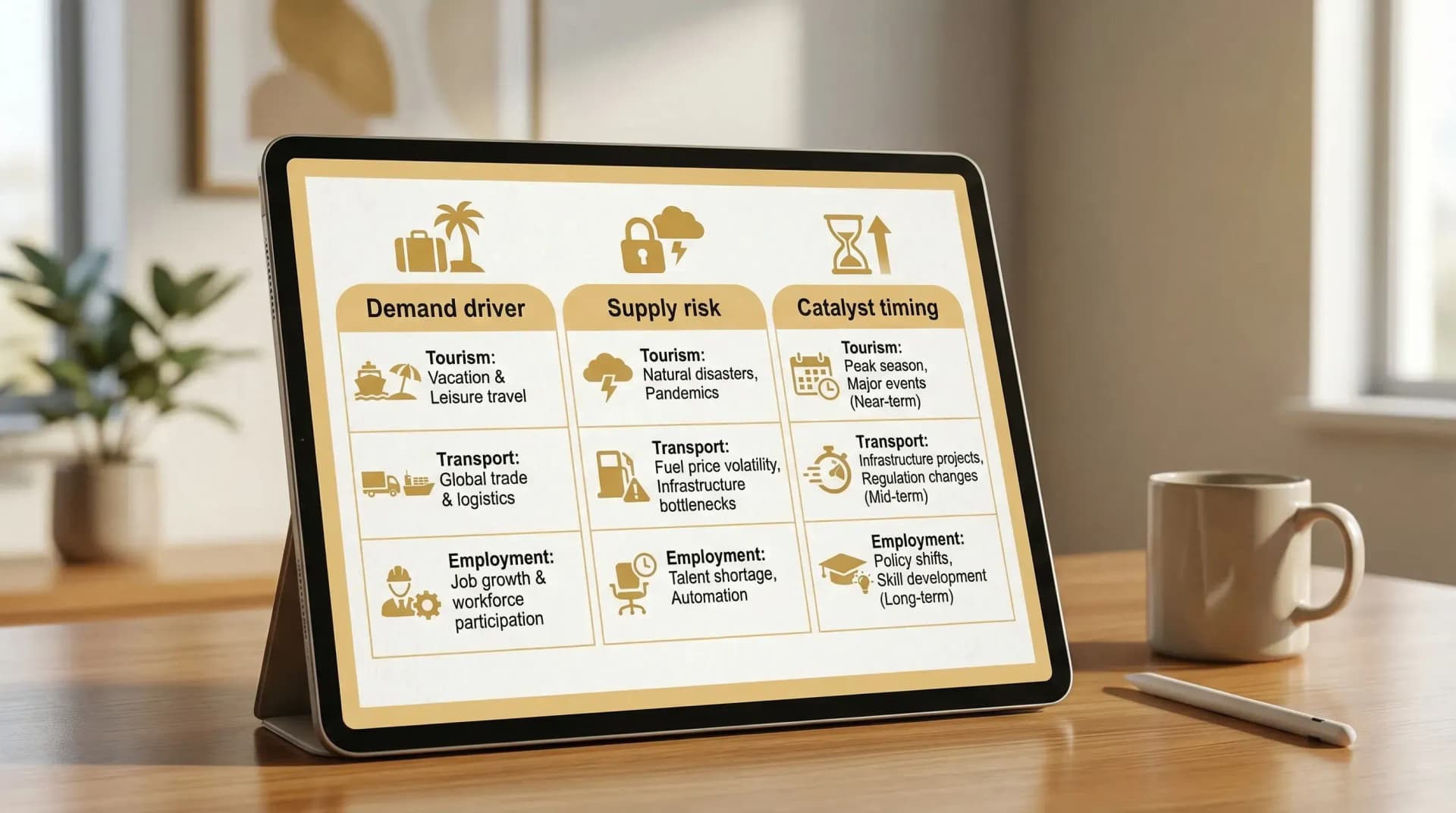
A simple allocation framework (how investors combine hotspots)
Many sophisticated buyers do not “bet the farm” on one emirate or one community. They combine different return profiles.
Here is a practical, non-prescriptive way to think about it:
| Strategy | What you prioritise | Typical hotspot profile | Watch-outs |
|---|---|---|---|
| Growth-led | Capital appreciation | Early-phase masterplans, catalyst zones, emerging waterfront | Delivery risk, resale liquidity, holding period discipline |
| Balanced | Growth plus usable yield | Established communities with nearby expansion, select off-plan with near-term handover | Overpaying for “safe” assets, service charges |
| Stability-led | Liquidity and resilience | Tier-1 city cores, deep rental markets, proven districts | Lower upside, tighter yields, higher entry pricing |
Azimira’s positioning is particularly strong for investors who want curated access to premium off-plan opportunities, especially in high-growth markets like Ras Al Khaimah, while still thinking strategically about diversification across the UAE. You can also keep an eye on expected new supply via the 2026 off-plan launch calendar.
Frequently Asked Questions
What are the best future growth hotspots in UAE real estate right now? In 2026, investors commonly watch Ras Al Khaimah’s waterfront districts (especially Al Marjan Island), select Dubai growth corridors (such as Dubai South and creekside regeneration), and Abu Dhabi’s premium cultural and leisure islands.
Is Dubai still a good market for future growth, or is it already “too expensive”? Dubai can still offer strong outcomes, but growth is increasingly micro-market driven. The best opportunities tend to come from precise district selection, unit scarcity, and buying well at launch rather than relying on broad market appreciation.
Why is Ras Al Khaimah mentioned so often in growth forecasts? RAK is in a re-rating phase where tourism, infrastructure, and global brand attention can materially shift demand. That dynamic can create a larger gap between early entry pricing and future valuations, especially in premium coastal zones.
How do I verify whether a “hotspot” is real or just marketing? Focus on leading indicators: infrastructure milestones, anchor assets, supply pipeline, resale depth, and rent trend evidence. If you cannot clearly explain the demand engine and the likely exit buyer, treat the hotspot claim as unproven.
Is off-plan the best way to invest in future growth areas? Often, yes, because early-phase pricing and staged payment plans can improve capital efficiency. But it only works with rigorous developer due diligence, contract review, and realistic timelines.
Explore future growth opportunities with Azimira
If you are tracking future growth hotspots in UAE real estate and want to act on them (not just read about them), Azimira can help you narrow the market to the projects where fundamentals, timing, and entry pricing align.
Explore Azimira’s investment approach at Azimira or start with their dedicated page on UAE property investment, with a focus on Ras Al Khaimah. If you would like a shortlist of current and upcoming off-plan opportunities based on your budget and objectives, you can contact the team for tailored guidance.
Related articles
What Counts as Good Real Estate Investments in 2026
Learn what makes good real estate investments in 2026, from net yield and demand signals to legal checks, exit plans and UAE opportunities.

Investors Needed for Real Estate? Start With This Plan
Investors needed for real estate? Use this practical plan to define strategy, numbers, due diligence and partners before raising capital.

Investment Marketing Tactics Developers Use at Launch
Understand investment marketing tactics developers use at launch, from scarcity to incentives, and learn how to assess UAE off-plan deals.