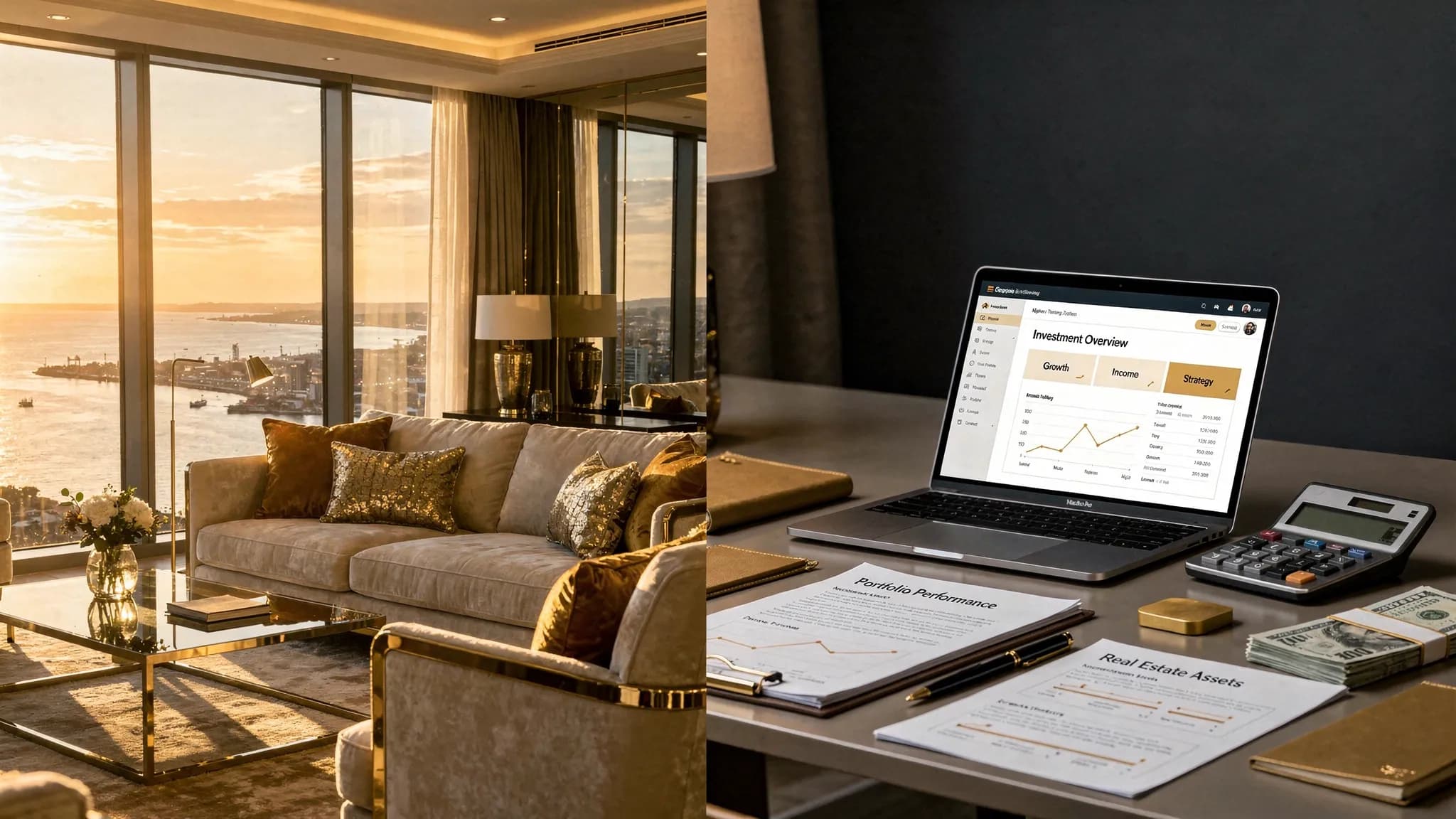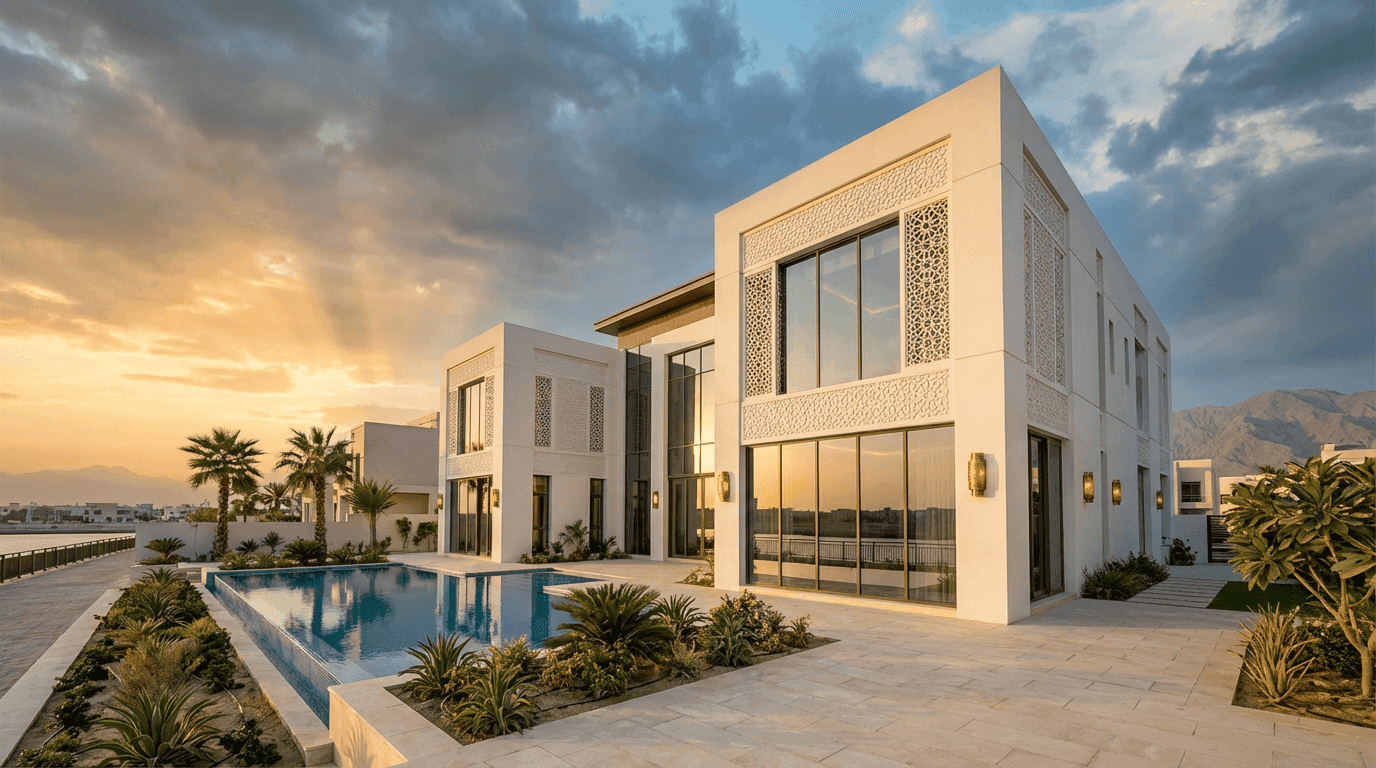
RAK Climate and Weather: Essential Guide for Property Owners
Discover how Ras Al Khaimah's climate impacts property investment, maintenance, and lifestyle. Essential weather insights for discerning RAK property owners.
Table Of Contents
- Understanding RAK's Desert Climate
- Seasonal Weather Patterns in Ras Al Khaimah
- How Climate Affects Property Investment Decisions
- Essential Property Maintenance Considerations
- Climate Impact on Luxury Amenities and Features
- Year-Round Lifestyle Benefits for Property Owners
- Preparing Your RAK Property for Weather Extremes
Ras Al Khaimah's climate stands as one of the most significant yet often underappreciated factors influencing property investment decisions in this rapidly emerging emirate. Whilst investors naturally focus on capital appreciation forecasts and rental yields, the region's distinctive weather patterns directly impact everything from property maintenance costs to lifestyle enjoyment and long-term asset value. Understanding RAK's climate isn't merely about knowing when to schedule your next visit—it's about making informed decisions that protect your investment and maximise both comfort and returns.
For discerning property owners and investors, RAK's subtropical desert climate presents a unique combination of opportunities and considerations. The emirate enjoys over 300 days of sunshine annually, with temperature variations and humidity levels that differ notably from Dubai and Abu Dhabi. These climatic characteristics influence architectural design choices, utility costs, property maintenance requirements, and the premium features that attract high-value tenants or future buyers. Whether you're considering luxury waterfront apartments or exclusive villa communities, comprehending how weather patterns affect your property investment represents essential due diligence that separates exceptional returns from disappointing outcomes.
Understanding RAK's Desert Climate
Ras Al Khaimah experiences a subtropical desert climate characterised by exceptionally hot summers, pleasantly warm winters, and minimal annual rainfall. The emirate's geographic position in the northern UAE, nestled between the Hajar Mountains and the Arabian Gulf, creates microclimates that distinguish it from neighbouring emirates. This unique positioning means that certain areas, particularly those near the mountains, can experience slightly cooler temperatures and occasionally higher rainfall compared to coastal developments.
The average annual temperature in RAK hovers around 27°C, though this figure masks considerable seasonal variation. What makes RAK particularly attractive for property investors is the moderating influence of both the Gulf waters and the mountain ranges, which can create more comfortable conditions than those found in Dubai's urban heat islands. The emirate receives approximately 100-150mm of rainfall annually, concentrated primarily between December and March, with occasional dramatic but brief winter storms that rarely disrupt daily life.
Humidity levels represent another crucial climate factor that property owners must understand. Coastal properties experience higher humidity, particularly during summer months when levels can reach 80-90% in the early morning hours. However, RAK's humidity tends to be slightly lower than Dubai's, particularly in developments situated away from the immediate coastline. This difference, whilst seemingly modest, significantly impacts both comfort levels and property maintenance requirements, especially concerning air conditioning efficiency and moisture-related building issues.
The Hajar Mountains create distinctive weather phenomena that savvy investors recognise as value-adding features. Mountain-adjacent properties occasionally benefit from cooling breezes and can experience temperature variations of 3-5°C compared to coastal areas. These microclimatic advantages increasingly influence buyer preferences, particularly amongst those seeking luxury villa communities where outdoor living spaces constitute a primary lifestyle attraction.
Seasonal Weather Patterns in Ras Al Khaimah
Summer months (June through September) represent RAK's most challenging weather period, with daytime temperatures regularly exceeding 40°C and occasionally approaching 48°C during peak heat periods. Humidity compounds the heat, particularly in coastal developments where the combination creates feels-like temperatures that can surpass actual readings by 5-10°C. For property owners, this season demands robust climate control systems and influences both utility costs and tenant expectations regarding indoor amenities.
During summer, outdoor activities become largely restricted to early morning or evening hours, which significantly impacts the value proposition of certain property features. Swimming pools, shaded terraces, and well-designed outdoor entertainment areas become premium amenities during these months. Properties with intelligent design that maximises natural ventilation whilst minimising direct sun exposure command higher rental premiums, as discerning tenants recognise the comfort and cost-saving benefits such features provide.
Winter months (December through February) showcase RAK at its absolute finest, with daytime temperatures ranging between 20-25°C and evening temperatures occasionally dropping to 12-15°C. This period attracts tourists, short-term visitors, and residents alike, creating peak demand for rental properties and driving seasonal rate increases. Property owners who understand these patterns can optimise their investment strategies, whether targeting long-term tenants or capitalising on short-term rental opportunities during this prime season.
The winter period occasionally brings rainfall, typically in short, intense bursts rather than prolonged precipitation. Whilst this minimal rainfall rarely disrupts daily life, it does create specific property maintenance considerations, particularly regarding drainage systems, waterproofing, and outdoor surface materials. Well-maintained properties weather these occasional storms without incident, whilst neglected developments may experience issues that diminish both tenant satisfaction and long-term asset value.
Transitional seasons (March through May and October through November) offer perhaps the most underappreciated weather windows in RAK's calendar. Spring temperatures range from 25-35°C with moderate humidity, whilst autumn mirrors these conditions as the intense summer heat gradually subsides. These periods extend RAK's "prime season" well beyond the winter months, creating approximately six to seven months annually when outdoor living becomes genuinely enjoyable—a significant lifestyle advantage that differentiates RAK from many other global investment destinations.
How Climate Affects Property Investment Decisions
RAK's climate directly influences several critical investment considerations that discerning buyers must evaluate before committing capital. Air conditioning represents the single largest utility expense for most properties, with summer months potentially generating cooling costs of AED 1,500-3,000 monthly for larger villas and luxury apartments. Properties with superior insulation, energy-efficient glazing, and intelligent building orientation can reduce these costs by 30-40%, creating substantial long-term savings that enhance net rental yields and owner-occupier comfort alike.
Architectural design choices that respond intelligently to RAK's climate command premium valuations in the resale market. Features such as double-glazed windows, thermal insulation exceeding basic building code requirements, and strategic window placement that minimises direct sun exposure whilst maximising natural light represent investments that deliver returns through both reduced operating costs and enhanced market appeal. When evaluating exclusive RAK off-plan projects, these climate-responsive design elements should feature prominently in your assessment criteria.
Outdoor amenity spaces require particular scrutiny in RAK's climate context. Properties boasting covered terraces, temperature-controlled swimming pools, landscaped gardens with efficient irrigation systems, and outdoor entertainment areas with adequate shading deliver year-round value rather than seasonal utility. The initial premium for these features—often 10-15% above comparable properties lacking such amenities—typically proves justified through stronger rental demand, reduced vacancy periods, and superior capital appreciation trajectories.
Location selection within RAK should account for microclimate variations that significantly impact daily comfort and long-term satisfaction. Waterfront developments offer stunning views and lifestyle appeal but experience higher humidity and salt-laden air that accelerates maintenance requirements. Mountain-adjacent communities benefit from moderately cooler temperatures and occasional breezes but may sit further from beaches and commercial centres. Understanding these trade-offs enables investors to select properties that align with their target tenant demographic or personal lifestyle priorities whilst anticipating the associated maintenance implications.
Essential Property Maintenance Considerations
The combination of intense heat, occasional humidity, and salt-laden coastal air creates specific maintenance challenges that property owners must proactively address. Air conditioning systems require servicing every three to four months rather than the annual maintenance sufficient in temperate climates. Neglecting this essential upkeep leads to reduced efficiency, dramatically increased electricity costs, and premature system failure—potentially costing AED 15,000-30,000 for replacement in a luxury villa.
Exterior paintwork and building facades face accelerated weathering in RAK's climate, particularly for coastal properties where salt spray compounds UV radiation effects. Quality properties typically require exterior repainting every five to seven years, compared to ten-year cycles common in temperate regions. Investors should factor these maintenance cycles into their financial projections, budgeting approximately AED 20,000-50,000 for comprehensive exterior refurbishment of a luxury villa, depending on property size and finish quality.
Swimming pools represent both a premium amenity and a maintenance commitment in RAK's climate. High temperatures accelerate chemical consumption and evaporation, with luxury villa pools potentially losing 2-3cm of water daily during peak summer months. Monthly pool maintenance costs typically range from AED 500-1,200, whilst water top-ups and chemical balancing add further ongoing expenses. However, properties with well-maintained pools command rental premiums of 15-25% in RAK's market, justifying these investments for yield-focused owners.
Landscaping and outdoor spaces require irrigation systems designed for RAK's arid climate and water efficiency regulations. Modern drip irrigation systems with smart controllers that adjust watering schedules based on temperature and humidity deliver both water conservation and healthy gardens. Monthly landscaping maintenance for luxury villa communities typically costs AED 800-1,500, though this investment directly impacts property presentation and market value—curb appeal remains paramount in RAK's competitive luxury property sector.
Climate Impact on Luxury Amenities and Features
Climate control technology represents perhaps the most critical luxury feature in RAK properties, with discerning buyers and tenants expecting systems that deliver consistent comfort whilst managing energy costs intelligently. Variable Refrigerant Flow (VRF) systems, smart thermostats, and zoned cooling enable precise temperature control and can reduce energy consumption by 25-35% compared to conventional systems. Properties equipped with such technology attract premium tenants who value both comfort and sustainability.
Indoor-outdoor living spaces have evolved considerably in response to RAK's climate realities. The most successful luxury developments incorporate transitional spaces such as covered terraces with retractable screens, outdoor rooms with climate control, and seamlessly integrated indoor-outdoor entertainment areas that extend usability across seasons. These features transform properties from residences with outdoor space into homes offering genuine year-round lifestyle flexibility—a distinction that significantly impacts both rental appeal and resale values.
Smart home technology increasingly addresses climate-related comfort and efficiency concerns. Automated systems that adjust cooling based on occupancy, control window treatments to minimise solar heat gain, and monitor energy consumption enable owners to optimise both comfort and costs remotely. For investors managing rental properties or maintaining second homes, these technologies provide peace of mind whilst protecting property condition during vacant periods.
Wellness amenities designed for RAK's climate represent emerging differentiators in the luxury segment. Temperature-controlled swimming pools that remain comfortable year-round, shaded outdoor fitness areas, climate-controlled home gymnasiums, and spa facilities enable residents to maintain active lifestyles regardless of external temperatures. Properties offering such amenities appeal to health-conscious buyers and tenants who refuse to compromise their wellness routines due to weather constraints.
Year-Round Lifestyle Benefits for Property Owners
RAK's climate, properly understood and anticipated, delivers substantial lifestyle advantages that enhance property ownership satisfaction. The extended prime season—approximately six to seven months when outdoor activities remain genuinely enjoyable—exceeds that of many competing international destinations. This extended usability transforms outdoor entertainment spaces, beach access, and recreational amenities from occasional luxuries into integral lifestyle components that justify premium property investments.
Winter months position RAK as an exceptional escape destination for property owners and their guests. Whilst much of Europe and North America endures freezing temperatures and shortened daylight hours, RAK offers perfect beach weather, comfortable outdoor dining, and ideal conditions for golf, water sports, and desert adventures. For investors targeting the holiday home market or short-term rental opportunities, this seasonal advantage creates powerful demand drivers that support both occupancy rates and nightly rate premiums.
The consistent weather patterns enable reliable lifestyle planning that residents of more temperate climates may take for granted. Property owners can confidently schedule outdoor events, plan recreational activities, and design social calendars knowing that weather will rarely disappoint. This reliability particularly appeals to families with children and retirees seeking predictable, active lifestyles—demographic segments that demonstrate strong loyalty to communities meeting their needs and often become long-term tenants or eventual buyers.
RAK's climate increasingly attracts health-conscious residents seeking outdoor activity opportunities and natural vitamin D exposure year-round. The emirate's expanding portfolio of outdoor recreational facilities, beach clubs, hiking trails, and water sports centres capitalise on the favourable weather, creating lifestyle infrastructure that enhances property values across the emirate. When investing in RAK property, proximity to these climate-enhanced amenities should feature prominently in location assessment criteria.
Preparing Your RAK Property for Weather Extremes
Whilst RAK's weather patterns prove remarkably consistent, occasional extreme events require preparation to protect property investments. Summer temperatures exceeding 45°C place extraordinary demands on cooling systems, with inadequate capacity leading to system failures during periods when replacement technicians face weeks-long backlogs. Properties should feature air conditioning systems sized 15-20% above calculated requirements to handle peak loads whilst maintaining efficiency during normal operations.
Rare but intense rainfall events, occasionally delivering a month's worth of precipitation in mere hours, test property drainage systems and waterproofing. Well-designed developments incorporate adequate drainage infrastructure, waterproofed basements and ground floors, and landscaping that channels water away from structures. Investors evaluating properties should verify these features exist and function correctly, as remedying deficiencies post-purchase proves both expensive and disruptive.
Sandstorms, whilst less frequent in RAK than in more southern emirates, occasionally occur and create specific property challenges. Quality window seals, positive air pressure systems that prevent dust infiltration, and exterior surfaces that facilitate easy cleaning prove essential for maintaining property condition. During your property evaluation process, inspect window and door seals carefully, as replacement across an entire villa can cost AED 8,000-15,000.
Power outages during peak summer months, though increasingly rare as infrastructure improves, can rapidly compromise property condition if air conditioning systems remain offline for extended periods. Properties in premium developments typically feature backup generators for common areas, whilst individual villas may benefit from generator systems ensuring continuous climate control. For investors managing rental properties, ensuring systems that protect tenant comfort during infrastructure interruptions demonstrates the service quality that retains high-value tenants.
Climate-Driven Value Appreciation Factors
RAK's favourable climate relative to competing regional destinations represents an often-underappreciated value driver supporting long-term capital appreciation. As climate change intensifies weather extremes globally, destinations offering reliably pleasant conditions during traditional winter months become increasingly scarce and valuable. RAK's positioning as a warm-weather haven with developed infrastructure and accessibility increasingly attracts international buyers seeking second homes, retirement destinations, and investment properties catering to climate-conscious tenants.
The emirate's proactive approach to sustainable development and climate resilience enhances long-term investment security. Recent regulations mandating improved building insulation standards, water efficiency requirements, and energy performance criteria ensure that new developments deliver climate-appropriate design whilst controlling operating costs. Properties meeting or exceeding these evolving standards will command premiums as awareness of total cost of ownership becomes more sophisticated amongst buyers and tenants.
RAK's climate advantages support the emirate's tourism growth trajectory, with hotel developments, resort communities, and hospitality infrastructure expanding rapidly. This growth creates spillover demand for short-term rental properties, particularly during peak winter season when hotel capacity becomes constrained and rates spike. Property owners positioned to capture this demand through well-appointed, climate-comfortable accommodations access revenue streams that enhance overall investment returns whilst diversifying income sources.
The lifestyle infrastructure catalysed by RAK's climate—championship golf courses, beach clubs, outdoor adventure facilities, and wellness destinations—creates a virtuous cycle that attracts residents, supports property values, and justifies the premium positioning of quality developments. As this infrastructure matures and RAK's reputation as a lifestyle destination strengthens, properties in well-positioned communities benefit from both the amenities themselves and the broader market perception that RAK offers exceptional quality of life.
Understanding RAK's climate and weather patterns represents far more than academic interest for property owners—it constitutes essential knowledge that informs investment decisions, maintenance planning, and lifestyle expectations. The emirate's subtropical desert climate, characterised by extended periods of excellent weather, predictable seasonal patterns, and manageable extreme conditions, creates a compelling value proposition for discerning investors seeking both capital appreciation and genuine lifestyle benefits.
Successful property investment in RAK requires selecting developments and individual properties that respond intelligently to climatic realities through thoughtful design, quality construction, and climate-appropriate amenities. The initial premium for properties featuring superior insulation, efficient climate control systems, and well-designed outdoor spaces proves justified through reduced operating costs, enhanced tenant appeal, and stronger long-term value appreciation. As RAK's property market matures and buyer sophistication increases, these climate-responsive features will increasingly separate premium properties from average stock.
For investors evaluating opportunities in this dynamic market, climate considerations should inform every aspect of your decision-making process—from location selection and development assessment to feature prioritisation and maintenance planning. The properties that deliver exceptional returns combine RAK's inherent climatic advantages with intelligent design and quality execution, creating homes that remain comfortable year-round whilst controlling costs and maximising lifestyle enjoyment.
Discover Climate-Smart Investment Opportunities in RAK
Azimira Real Estate specialises in identifying premium RAK properties that combine intelligent climate-responsive design with exceptional investment potential. Our curated portfolio features exclusive developments where architectural excellence meets practical functionality, delivering both immediate comfort and long-term value appreciation.
Whether you're seeking luxury waterfront apartments with superior climate control systems or exclusive villa communities designed for year-round outdoor living, our team provides the market insights and access to off-market opportunities that distinguish exceptional investments from ordinary purchases.
Contact our investment specialists today to discuss how RAK's climate advantages can enhance your property investment strategy and deliver the exceptional returns you deserve.
Related articles
What Counts as Good Real Estate Investments in 2026
Learn what makes good real estate investments in 2026, from net yield and demand signals to legal checks, exit plans and UAE opportunities.
Investors Needed for Real Estate? Start With This Plan
Investors needed for real estate? Use this practical plan to define strategy, numbers, due diligence and partners before raising capital.
Investment Marketing Tactics Developers Use at Launch
Understand investment marketing tactics developers use at launch, from scarcity to incentives, and learn how to assess UAE off-plan deals.